June 19, 2026
Live Call Monitoring, Custom Dashboards, Built-in CRM, Colloquial Model, Expressive Mode, and more

Big month with the Retell 2026 launch week. Five launches in five days:
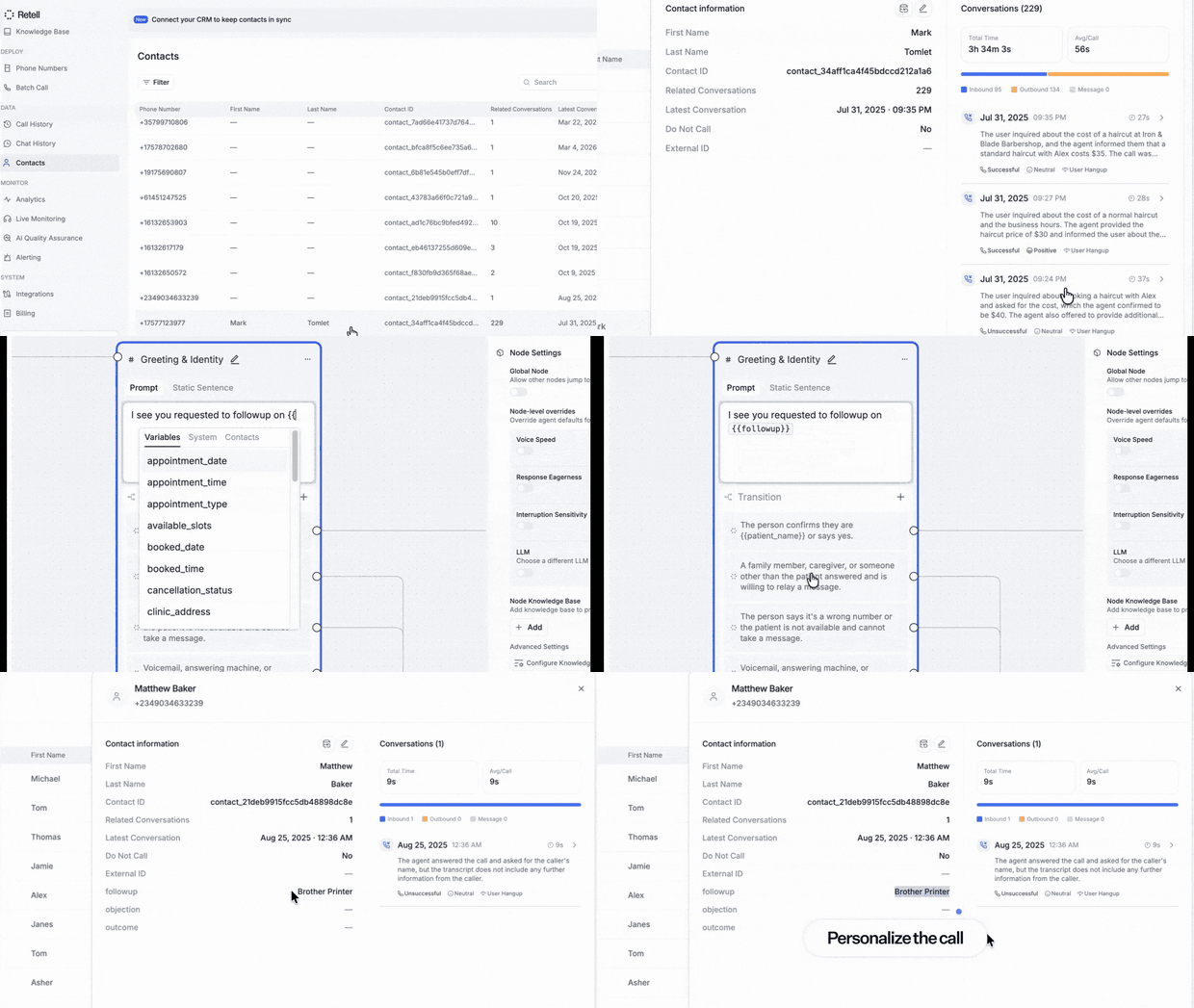
Keeping your CRM in sync with every voice call has always meant building automations nobody wants to maintain. Built-in CRM fixes that natively, with two-way real-time syncing to Salesforce and HubSpot out of the box.
→ Every call auto-creates or updates a contact, keyed to their phone number
→ Two-way sync with Salesforce and HubSpot, with field mapping and a no-overwrite option
→ Post-call analysis becomes contact attributes, with one-click backfill across your full call history
→ Agents recognize returning callers and resume where the last call left off
Your human team was never flying blind. Now your voice agents aren't either.
→ Docs

Finding out a call went wrong after it ended is already too late. Live Call Monitoring gives you a real-time view of every active conversation so you can catch problems and act while the customer is still on the line.
→ Real-time transcript on every active call, with caller details and duration
→ Call scoring by sentiment, latency, and interruptions, with configurable weights
→ Auto-actions when a call goes wrong: transfer to a human, fire a webhook, send an alert
→ Listen in live, whisper to your agent, or take over the call yourself
Stop finding out what went wrong after the call ends.
→ Docs
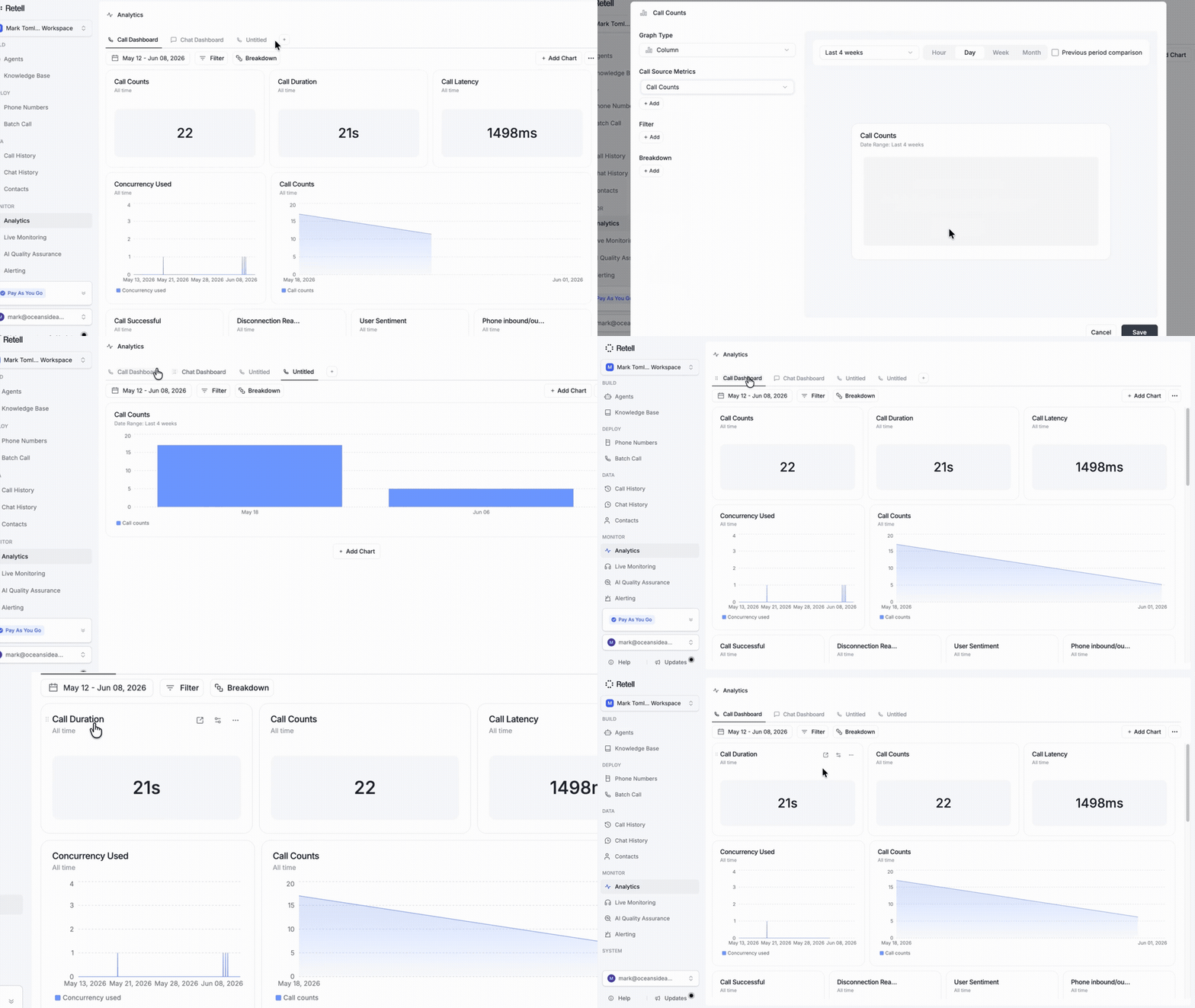
Your whole organization no longer has to be stuck on the same view. As voice deployments grow, support, QA, ops, and leadership all need different answers, but too often they're forced into the same dashboard.
→ Create multiple dashboards for different teams and switch between them in a click
→ Saved views shared across your workspace, with filters that persist on refresh
→ Filter and group by agent, version, call type, or any post-call analysis field
→ Call and chat analytics are now live in one place
Build the view your team actually needs.
→ Docs
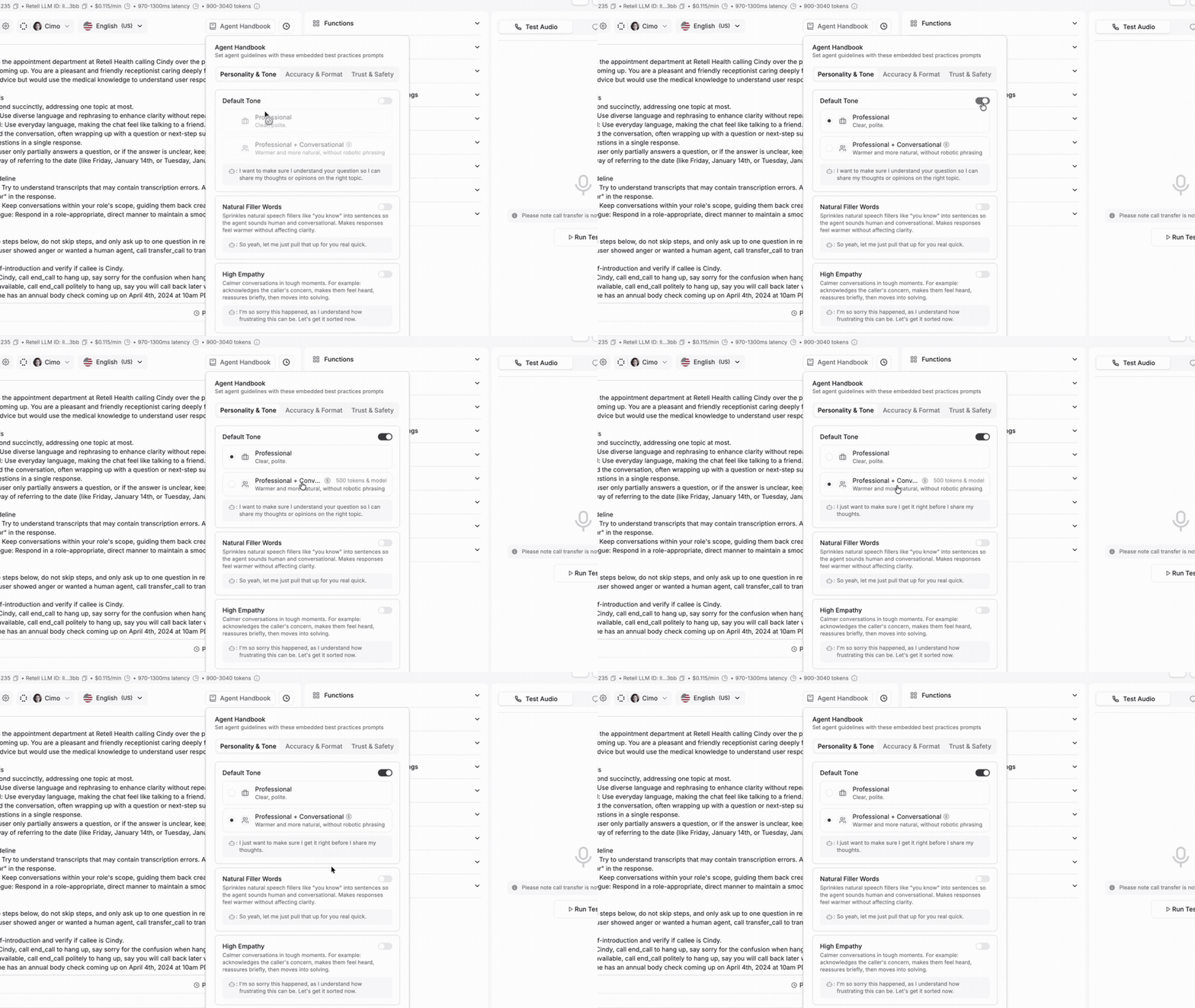
Voice agents often sound great but still push callers toward a human. Colloquial Model rewrites how your agent phrases things in real time, closing the gap between sounding human and actually talking like one.
Lines like "I apologize for the inconvenience" give it away every time. Your LLM still decides what to say and your prompts don't change. It just smooths the wording in about 50 milliseconds.
→ One toggle, no rebuild
→ Natural fillers, human cadence, real pacing
→ Tuned for contact center calls, not generic assistant chat
Sounding human is one side. Talking like one is the other.
→ Docs
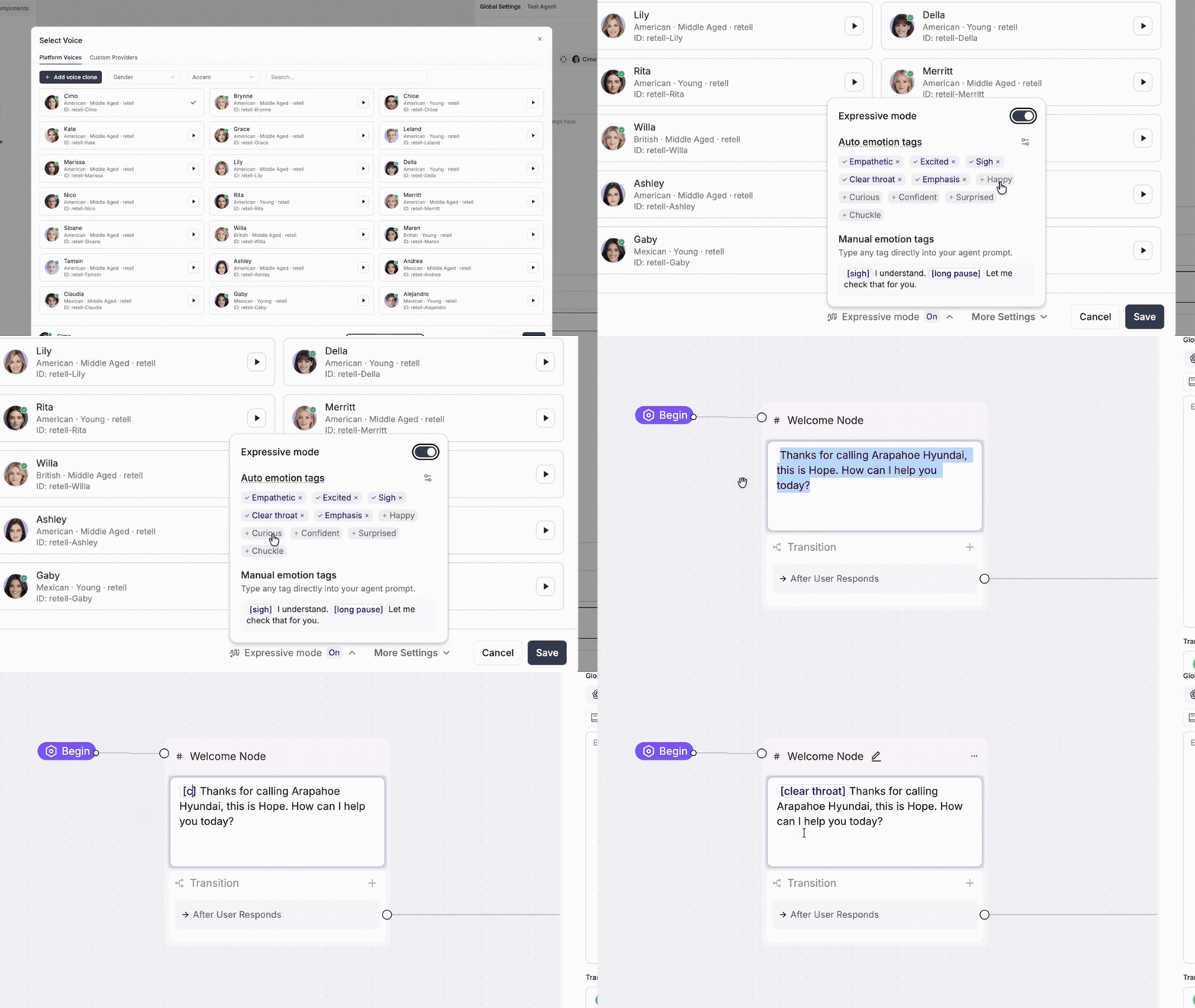
Saying the right thing in the same flat tone every time still sounds like a robot. Expressive Mode gives you control over how your agent delivers every line, not just what it says.
→ Auto emotion tags: pick the emotions in play and Retell places them where they fit in real time, no prompt changes
→ Manual emotion tags: drop [sigh], [long pause], or any cue directly into your agent prompt for precise control
→ Emotion-aware listening: reads the caller's pace, pauses, and pitch as a live signal your agent can act on
Same script. Different delivery.
→ Exists / not exists filter for post-call analysis, metadata, and custom attributes: filter your dashboard or call list by whether a field is populated, useful for routing follow-ups and identifying coverage gaps.
→ Environment tag in the Call API: the env tag is now exposed via API, so you can programmatically distinguish calls by environment in your own systems.