AI Delivery Address Verification Calls

5.0
ON G2
Stars
Address checks on calls for delivery, fuel and gas delivery, pickup, and field service teams. The agent has the caller say the address, spells unclear street names back, asks for unit numbers, confirms city and ZIP, and runs the address through your own address or service-area API. When a check fails, the call goes to a person or the caller gets a text link to fix the address, so a bad address is caught before a driver goes out.
Trusted by over 4,000 businesses powering 100+ million calls per month.
How It Works

Set up AI address verification in four stages, from your address rules to checks running on every order and delivery call.

Decide what a good address means
Write which parts the agent must collect, such as street, number, unit, city, ZIP, and entry code, then connect your address validation or service-area API and your order system through custom functions.
Test with hard addresses
Run simulation tests with a misheard street name, a missing unit number, a ZIP that doesn't match the city, an address outside your service area, and a caller with a strong accent, and grade every run before launch.
Connect your address and order systems
Add the check to your inbound order line, your outbound delivery booking calls, or both, on numbers you import over a SIP trunk or route from your contact center platform.
Go live and review failed checks
Every connected call returns a transcript and the fields you define, such as address confirmed, address changed, check passed, check failed, and transferred, delivered to your systems by webhook.
Use Cases

Address checks that catch problems before dispatch

Woman confirming details on a phone call
The customer says the address, the agent confirms it

Need an address the customer has actually listened to. Reading a stored address back invites a quick yes, so the agent asks the caller to say the delivery address, then repeats it back in full and asks them to confirm. If it differs from the address on file, the agent asks which one is right instead of picking one. The same check runs inside delivery booking calls.

Apartment mailboxes labeled with unit numbers
Street names spelled, units and ZIP codes checked

Need the details that make a driver lose time. For street names it isn't sure of, the agent spells them back letter by letter using the NATO alphabet, and it always asks whether there is an apartment, suite, or unit number. It confirms the city and ZIP together, so a ZIP that doesn't match the city is caught on the call. You can set how local street and place names are pronounced.

Person checking a printed city map
Service-area checks before the order is taken

Need to know you can deliver there before you promise to. A custom function sends the ZIP code or full address to your service-area or address API, which can return whether the address is covered and the delivery windows open for it. Covered addresses go straight on to the order, and the agent explains when an address is outside the area your rules allow. For fuel orders, see propane and fuel delivery ordering.

Support agent with a headset at a laptop
Failed checks go to a person, not a dead end

Need a failed check to cost a minute, not an order. Address lookups and coverage maps sometimes reject good addresses, especially in new developments or where street names are written several ways. So when a check fails, the agent offers a warm transfer to your team with the address it heard, rather than turning the customer away. Reviewing the failed-check calls each week shows which zones or spellings to fix in your data.
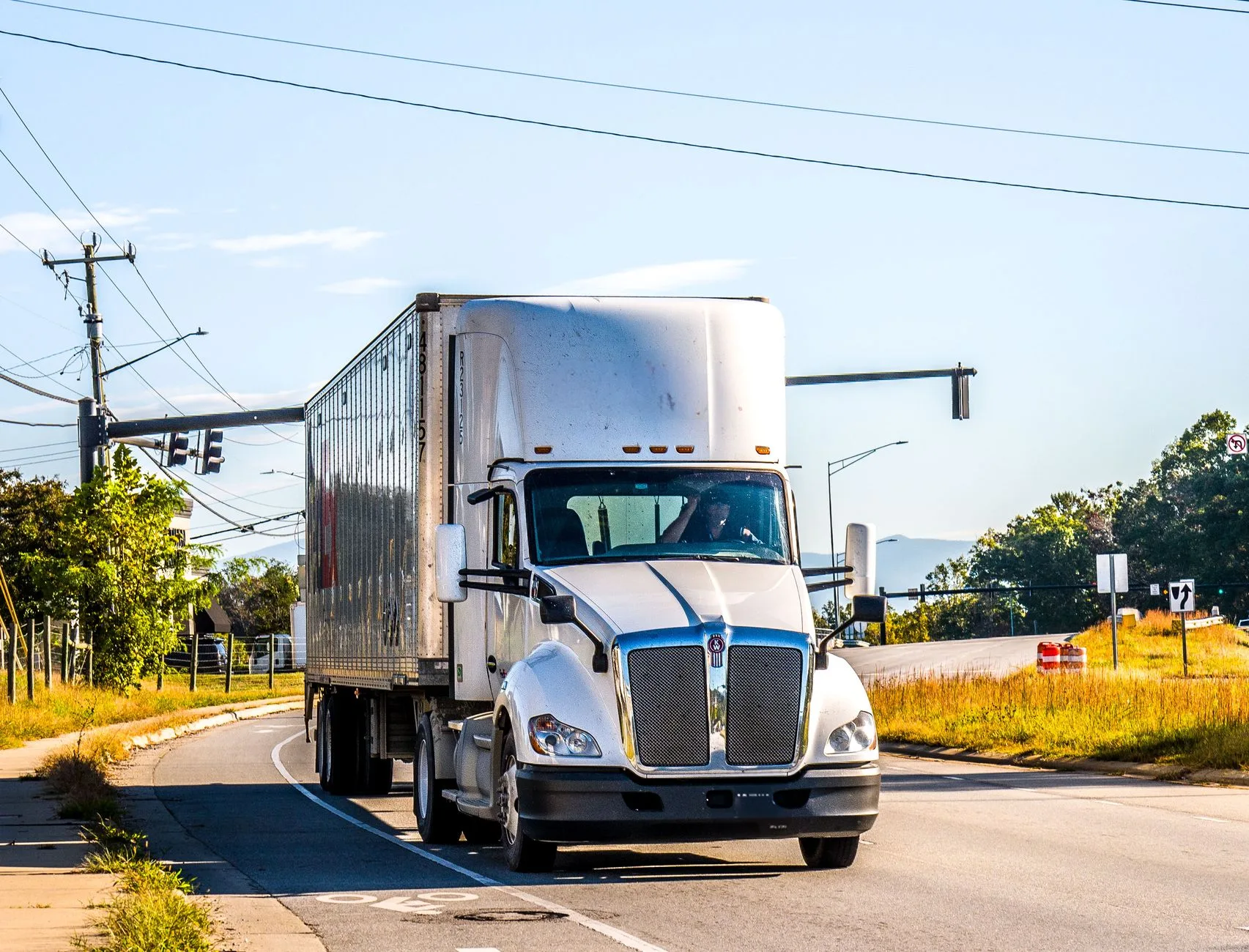
Delivery truck on a suburban road
Address changes after an order ships

Need a late address change caught while there is still time. When a customer calls because a shipment is heading to an old address, the agent takes the new address, confirms it, and writes the change request to your order system or a ticket for your team to act on, such as asking the carrier to reroute. It tells the caller that a change after dispatch isn't guaranteed and when they will hear back. Status calls are covered in order status calls.
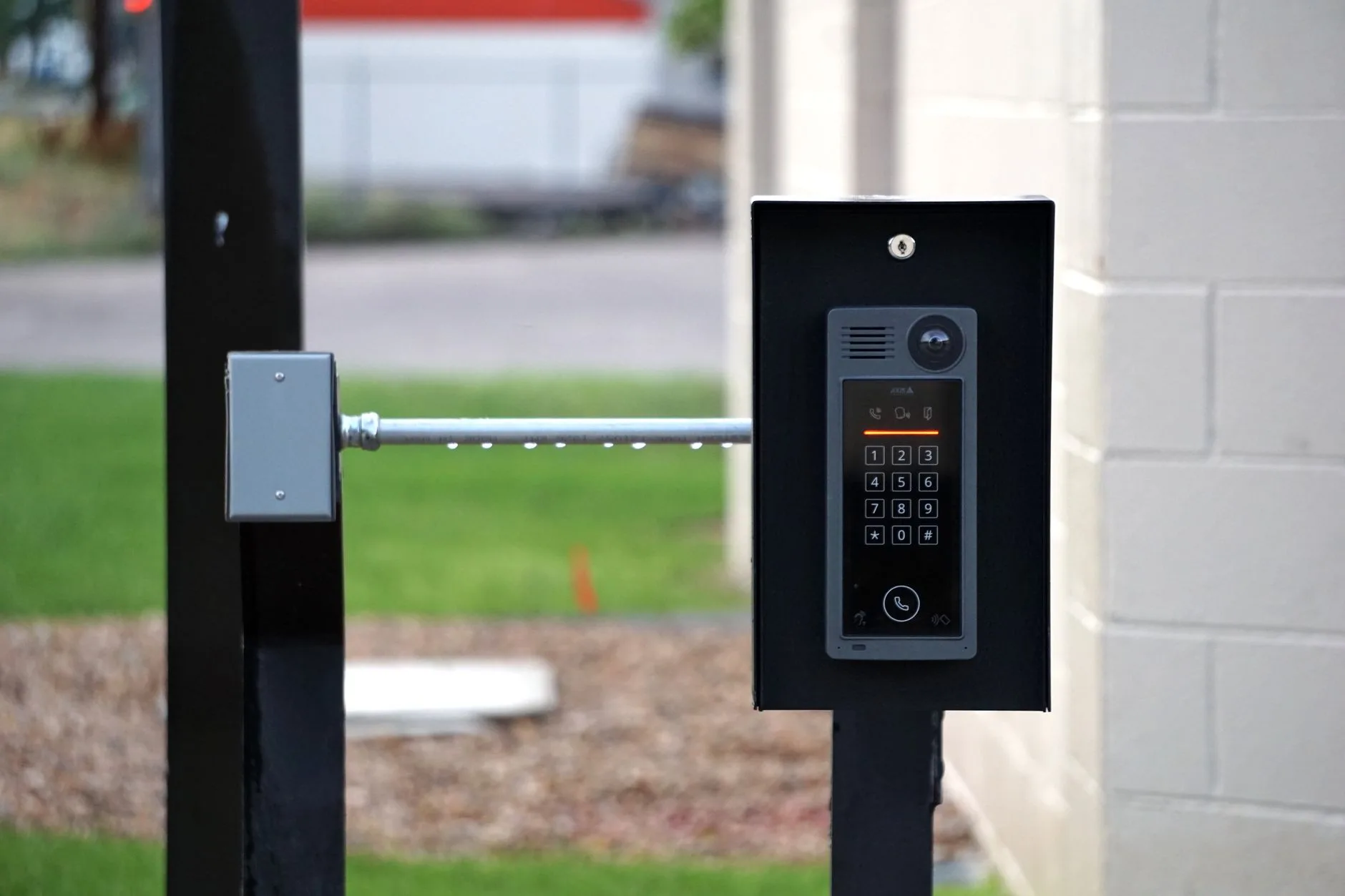
Entry keypad at a gated driveway
Entry codes, and a text link when speech isn't enough

Need the last details a driver needs at the door. Before a delivery, the agent can ask for a building entry code or gate code and save it to the order. When an address is too unclear to settle by voice, it texts the caller a link to your own address form from an SMS-approved number, so they can type it in while still on the line.


Built for Contact Centers, Not Demos

Retell is the AI Voice Platform Enterprise Contact Centers Run On

Retell lets you build, test and deploy AI phone agents that handle real call volume, so your team spends its time on the conversations that need a person.
SOC 2 Type II and HIPAA compliant. Trusted by teams running 1.000+ calls a day.
Compliance

Address calls carry names, home addresses, entry codes, and phone numbers.

SOC 2 Type II

Retell is SOC 2 Type I and Type II certified, with independently audited controls for security, availability, and confidentiality.

PII Redaction

Pick the categories to scrub per agent, such as names, addresses, phone numbers, and customer account numbers. Scrubbing covers transcripts, recordings, and tool call data, and keypad digits are masked too.

GDPR

Retell is GDPR compliant, with a self-signed Data Processing Addendum that includes EU Standard Contractual Clauses for customers in the EU and UK.

Data Retention

Set per agent how long transcripts, recordings, and logs are kept, from one day to two years, after which they are deleted automatically.

Feature

Why delivery teams choose Retell AI for address checks

Proven Impact, Real Conversations

Proven Impact, 

Real Conversations

Discover how businesses use Retell’s AI voice agents to streamline operations, enhance customer service, and scale effortlessly.

See All Case Studies
Integrations

Seamless
Integrations with Your
Tech Stack

View All Integrations
  • Hubspot
  • Twilio
  • Vonage
  • Go High Level
  • n8n
  • Zapier
  • Salesforce
  • Hubspot
  • Twillio
  • Vonage
  • Go High Level
  • 8n8
  • Zapier
  • Salesforce
  • Avaya
  • Genesys
  • Five9
  • Amazon Connect
  • Telnyx
  • Make
  • Cal.com
  • Avaya
  • Genesys
  • Five9
  • Amazon Connect
  • Telnyx
  • Make
  • Cal.com
Pricing

Cut Costs by 90% with AI phone Agents

Pay as you go

$0 to start.

$0.07–$0.31 per minute – Pay only for what you use.
60 mins of free access.
20 concurrent calls.
10 Free Knowledge Bases.
Get Started
FAQ

Frequently asked questions.

Does Retell have its own address validation?

No. Retell doesn't include an address database. The agent calls the address validation, geocoding, or service-area API you already use through a custom function, so the check matches the rules your dispatch team works to.

Should the agent read the address back or ask the customer to say it?

Ask first, then read back. A stored address read aloud often gets a yes from someone who isn't listening, so having the customer say it and then confirming the full address catches more errors.

What happens when an address fails the check?

The agent tells the caller it couldn't confirm the address and offers a transfer to your team, or texts a link to correct it. Because lookups and coverage maps can reject valid addresses, a failed check should lead to a person rather than ending the order.

Can the agent update the address in our order system?

Yes, if your order system has an API. A custom function writes the confirmed address during the call, or the change goes to your team as a ticket or flagged field if you want a person to approve it.

Can the agent speak the languages our customers and drivers speak?

Yes. Retell supports dozens of languages, including Spanish, French, Arabic, and Chinese, and an agent can be set to switch when the caller does. You can also set how place names, street names, and industry terms are pronounced, so local addresses are read the way your customers say them.

How much does AI address verification cost on Retell?

Retell bills per minute of conversation, and the rate depends on the language model, voice, telephony, and add-ons you choose. Pay-as-you-go has no contract or minimum and includes 20 concurrent calls. Enterprise plans have custom pricing and higher concurrency for high-volume logistics teams. See pricing for your mix.


Revolutionize your call operation with Retell