Best AI Voice Agents for Lead Qualification in 2026, Ranked on Reliability
15
MIN READ
October 20, 2026
The most reliable AI voice agents for lead qualification, judged only on what each vendor publishes, are Retell AI (8 of 8 points), followed by Bland AI and Synthflow (7 of 8 each).
We scored nine platforms on four things that decide whether a qualification call holds up with a real lead on the line: uptime, response latency, live transfer to a human, and CRM writeback. Retell AI publishes this list. Retell is scored on the same rubric and the same source rules as every other vendor, and the table would show any criterion where it fell short.
Retell AI is the only platform in this group that earns full marks on all four criteria. Eight of the nine document a warm transfer to a human, so live transfer rarely separates them. The gaps show up in uptime commitments, published latency, and whether qualification results reach the CRM without middleware.
| Vendor | Uptime | Latency (vendor-stated) | Live transfer | CRM writeback | Total | Best for |
|---|---|---|---|---|---|---|
| Retell AI | 2: status page and >99.9% uptime guarantee | 2: as low as 600 ms, method published | 2: warm transfer with handoff message | 2: native HubSpot field writeback | 8 | Inbound and callback qualification that writes results straight to HubSpot |
| Bland AI | 2: status page and 99.99% uptime SLA (Enterprise) | 1: as low as 300 ms, no method | 2: warm transfer with agent briefing | 2: native Salesforce and HubSpot tools | 7 | High-volume programs that want dedicated infrastructure |
| Synthflow | 2: status page and 99.99% uptime claim | 1: under 500 ms, no method | 2: warm transfer with AI summary | 2: native Salesforce connection with write actions | 7 | Teams that want a no-code builder with a Salesforce app |
| Regal | 2: status page and 99.9% uptime claim | 0: Not published | 2: warm transfer with summary | 2: native Salesforce field writeback; HubSpot sync | 6 | Contact centers with human sales teams in a CCaaS |
| Thoughtly | 2: status page and 99.9% uptime SLA (Scale plan) | 0: Not published | 2: warm transfer with early summary | 2: native HubSpot and Salesforce | 6 | Inbound lead follow-up across voice, SMS and email |
| Vapi | 2: status page and 99.9% uptime for enterprise clients | 1: sub-500 ms average, no method | 2: warm transfer with summary | 1: no native HubSpot or Salesforce tool; Make, n8n or webhooks | 6 | Developer teams assembling their own stack |
| ElevenLabs Agents | 1: status page; SLA only in custom Enterprise terms | 0: Not published end to end | 2: warm message to the operator (Twilio numbers) | 2: native HubSpot and Salesforce | 5 | Teams that put voice quality first |
| 11x | 0: status page covers Alice only; no SLA published | 0: Not published | 2: live transfer with full context | 2: native Salesforce, HubSpot and Pipedrive | 4 | B2B revenue teams that want a managed AI phone rep for inbound leads |
| Lindy | 1: status page, no SLA | 0: Not published | 1: transfer documented, no briefing | 2: native HubSpot and Salesforce record updates | 4 | Small teams that already use Lindy agents for email and scheduling |
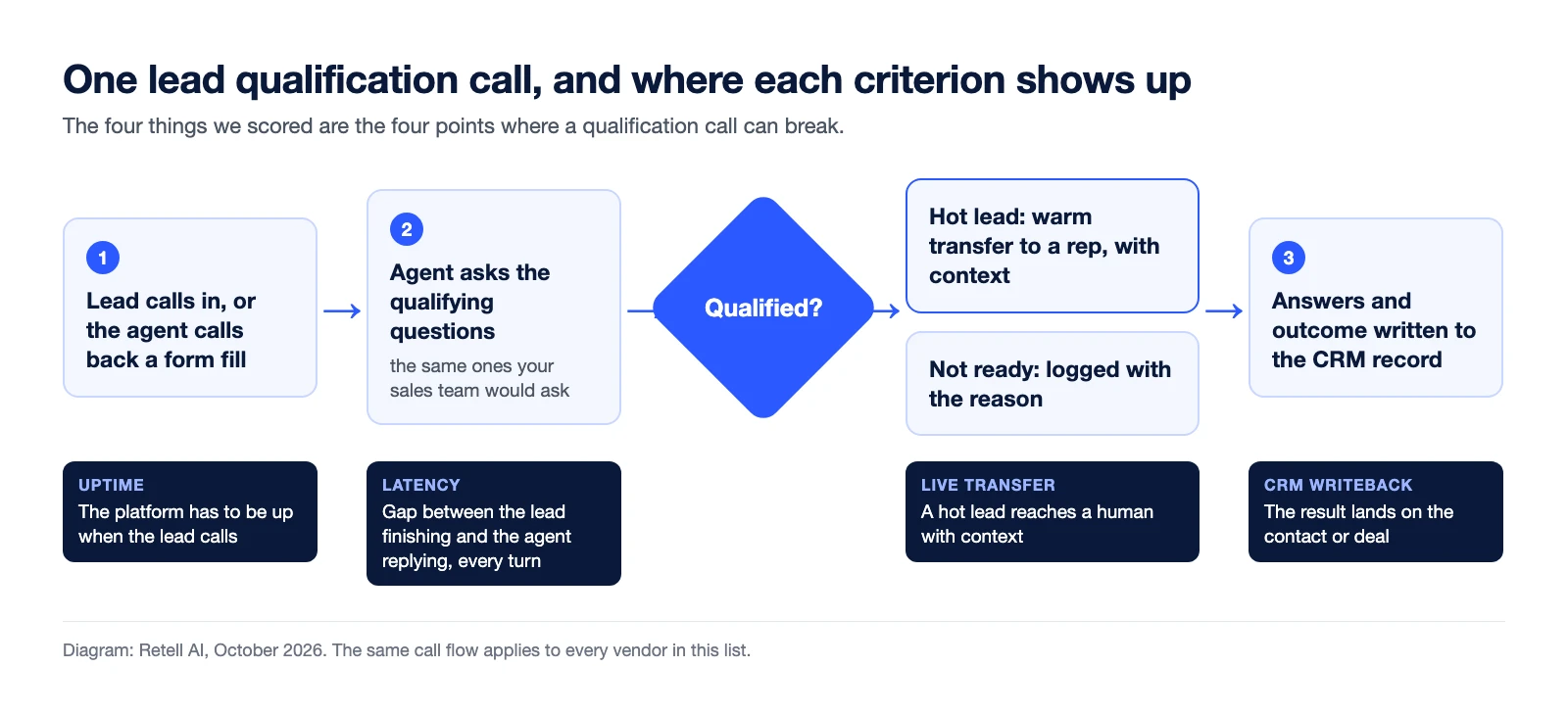
Lead qualification by AI voice agent means a voice agent calls or answers a lead who has already raised a hand, asks the qualifying questions your sales team would ask, and decides what happens next.
A hot lead goes to a human rep, ideally mid-call with context. A lead that is not ready gets logged with the reason. Either way, the answers land in the CRM so nobody has to listen to a recording to find out what happened.
This is different from outbound lead generation, which is about finding and reaching new prospects. Qualification starts after the lead exists: inbound calls, form-fill callbacks, and follow-ups on leads that went quiet. That is why reliability matters more than reach here. A dropped call or a slow reply loses a lead you already paid to acquire.
Retell AI scores 8 of 8 because it documents every criterion on its own site, including how it measures latency. It is built for teams that need the qualification call to work on every call, not only in a demo.
Reliability facts
Best for: inbound and callback qualification where hot leads must reach a rep with context and every answer must land in HubSpot without middleware. A typical setup calls a lead seconds after a form fill from a HubSpot workflow, asks the qualifying questions, warm-transfers a hot lead to the on-call rep with a spoken briefing, and writes budget, timeline and outcome to the contact's properties.
Pricing as published: from $0.07 per minute.
Limits: the Transfer Call tool works on phone calls only, not web calls. Native Salesforce field writeback is not documented to the same depth as HubSpot in the pages we checked, so Salesforce teams should confirm their exact fields.
Unlike scripted bots and controlled demos that work on the happy path, Retell is built for repeatable production reliability: the hardest moments of a call, such as an interruption or a handoff, have to work again and again. Run a pilot on your own lead calls and check the latency and transfer results per call in the dashboard.
Bland AI scores 7 of 8. It publishes a strong uptime commitment, documents warm transfer and native CRM tools, and states a latency figure, though without a measurement method.
Reliability facts
Best for: large programs that want dedicated infrastructure and forward-deployed engineers to build the agent. Because no measurement method is given for that figure, measure response time yourself during a pilot.
Pricing as published: the Start plan is free with a $0.14 per minute rate; paid plans (Build at $299 per month and above) lower the per-minute rate (billing docs).
Limits: the 99.99% SLA is listed for Enterprise, not every plan. Bland is built around its API and Pathways, so plan for engineering time.
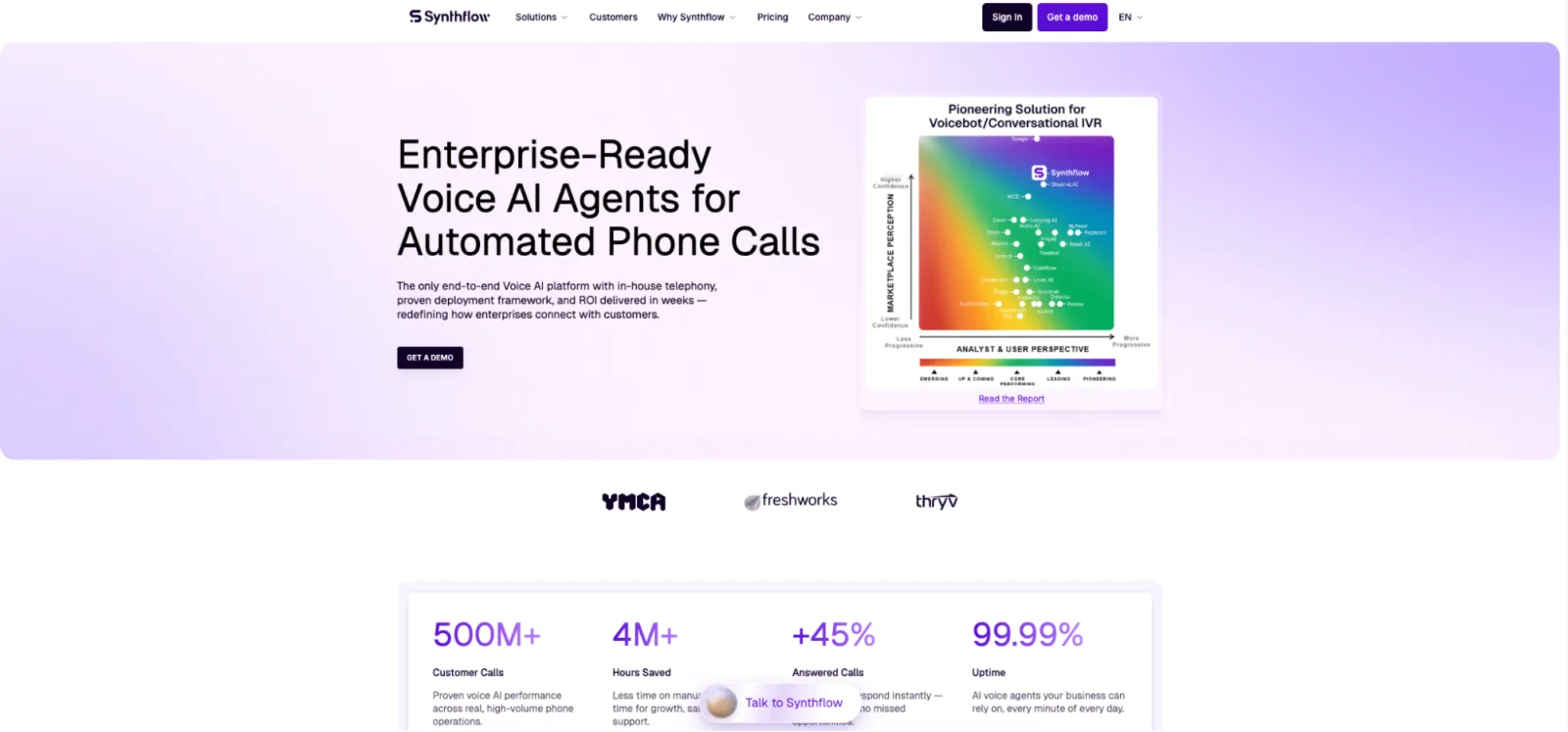
Synthflow scores 7 of 8. It runs a public status page with incident history and documents transfer and CRM writeback thoroughly; its latency figure comes from a marketing page without a method.
Reliability facts
Best for: sales teams that want to build without code and already run on Salesforce. Calls can be triggered from Salesforce Flows, and the warm transfer can screen the call so the rep accepts or declines before the lead is connected.
Pricing as published: enterprise contracts start at $30,000 a year.
Limits: the $30,000 annual floor rules out small pilots, and HubSpot teams should confirm how call results get written back.
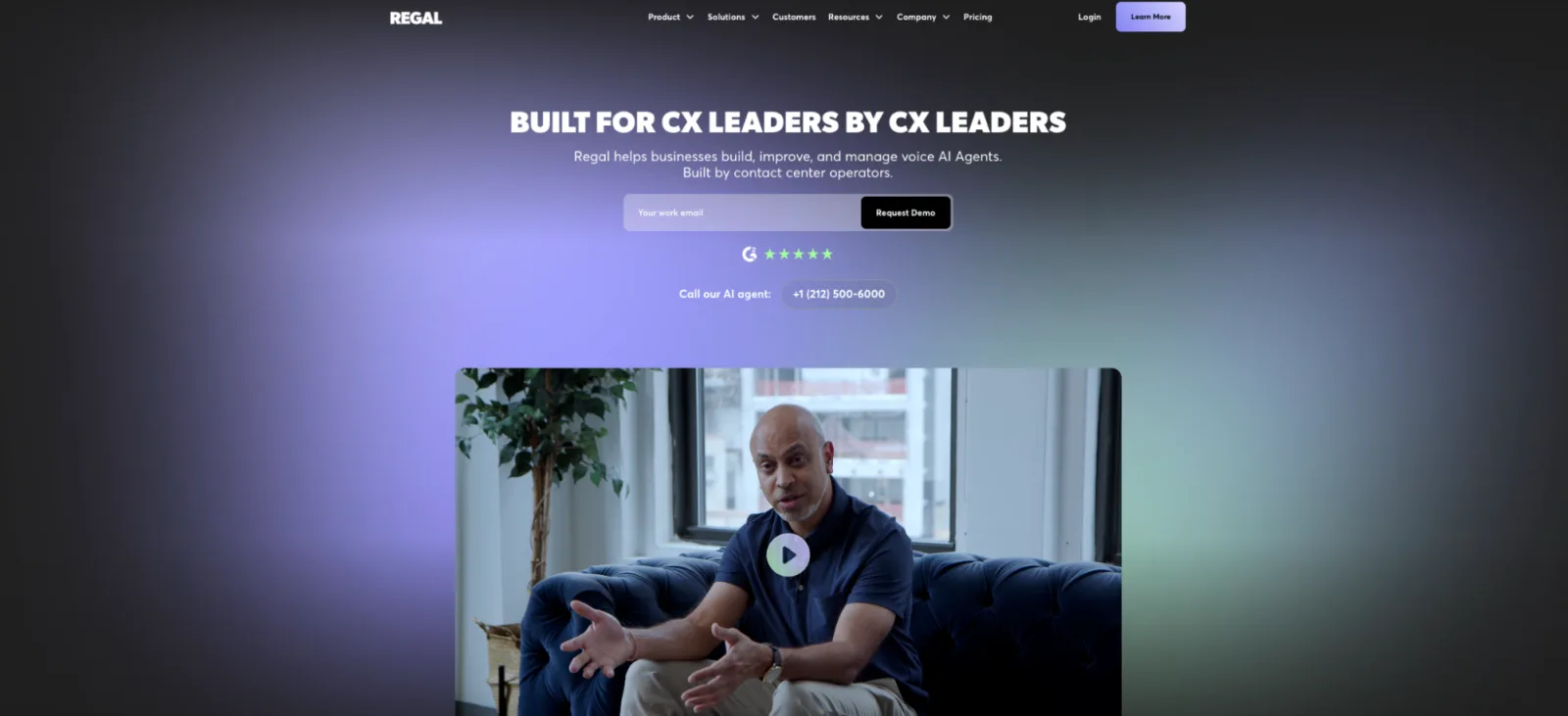
Regal scores 6 of 8. It runs a public status page, documents warm transfer with a summary, and writes data back to Salesforce fields natively, but publishes no latency figure that we could find.
Reliability facts
Best for: sales contact centers where AI agents pass qualified leads to human reps working in the same platform or a CCaaS.
Pricing as published: custom pricing.
Limits: Regal's docs differ on whether warm transfer works beyond SIP transfers, so check which path your setup uses. On HubSpot, call results land on the timeline rather than in contact fields.

Thoughtly scores 6 of 8. It is designed around inbound lead conversion, documents warm transfer and CRM writeback, and publishes a status page and a 99.9% uptime SLA, but no latency figure.
Reliability facts
Best for: teams that want one agent to call, text and email the same lead until it responds. Thoughtly is built around speed to lead: its agents call an inbound form fill within about a minute, qualify intent and either warm-transfer to a rep or book a meeting.
Pricing as published: Flex, Scale and Enterprise plans with unlimited voice minutes; prices are not listed on Thoughtly's pricing page.
Limits: the 99.9% SLA applies to the Scale plan, not Flex, and with no published latency you have to measure response time yourself in a pilot.
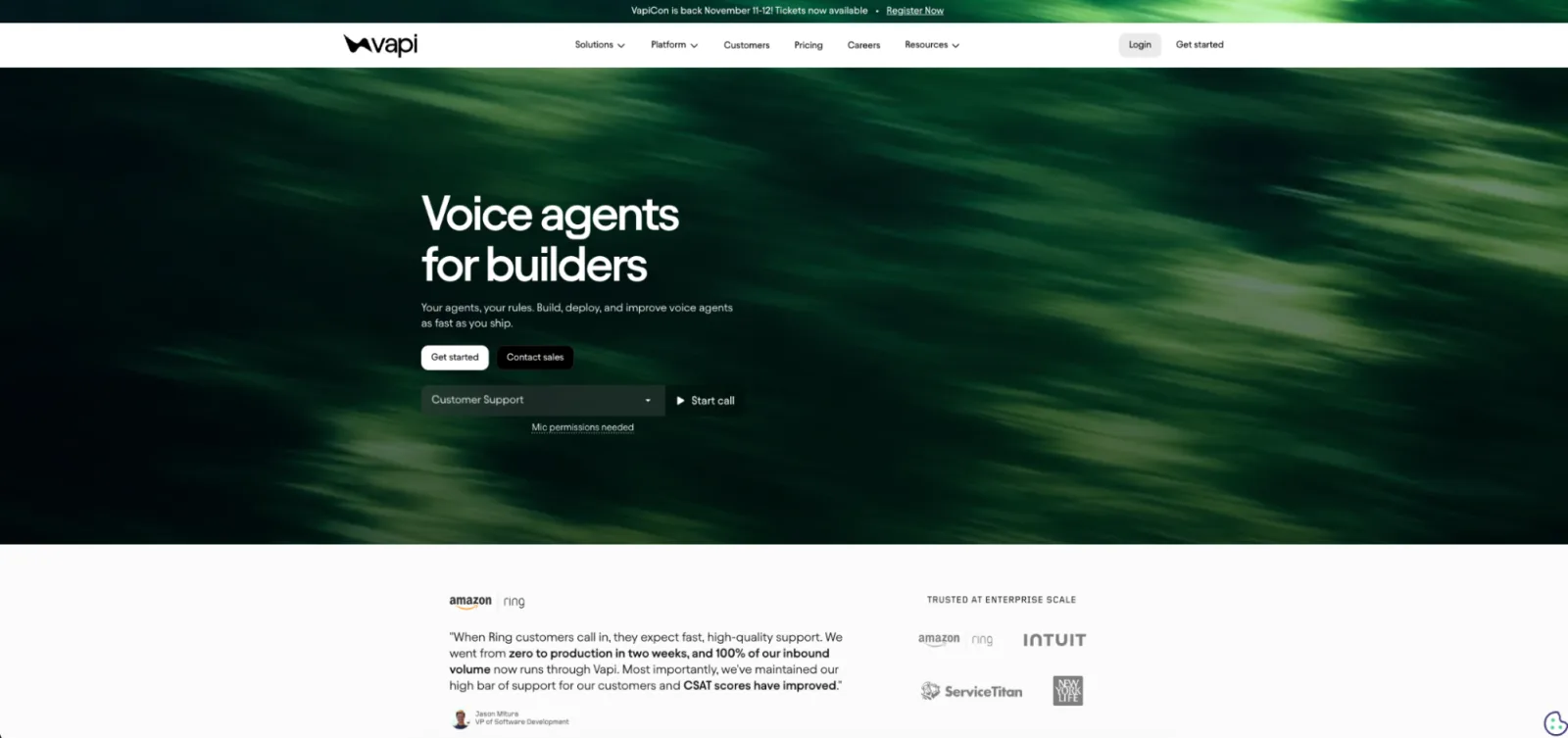
Vapi scores 6 of 8. It publishes an enterprise uptime figure, a status page and the widest set of warm-transfer modes in this list, but its latency claim comes without a method and we found no native CRM writeback.
Reliability facts
Best for: developer teams that want to choose each model and wire up their own CRM logic.
Pricing as published: Vapi's own pricing calculator shows $0.082 to $0.129 per minute, depending on the components chosen.
Limits: CRM writeback is a build, not a setting. The 99.9% uptime figure is stated for enterprise clients.
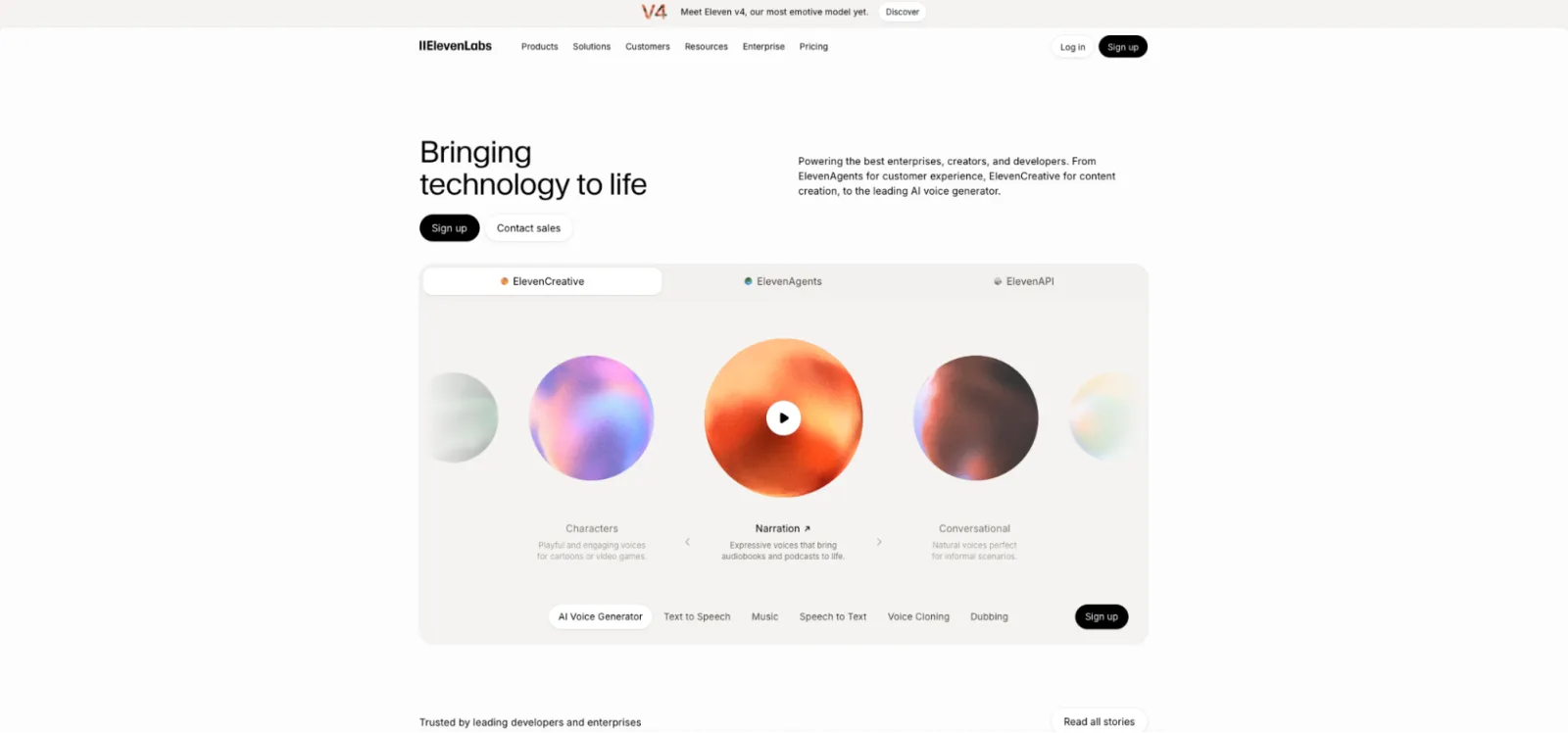
ElevenLabs Agents scores 5 of 8. Native CRM tools and a warm transfer message are documented, but the platform does not publish an end-to-end response latency or a standard uptime SLA.
Reliability facts
Best for: teams whose top requirement is the sound of the voice. The HubSpot tools let an agent look a caller up by email, check earlier interactions and update the record during the call, which covers the core of a qualification flow.
Pricing as published: $0.08 per minute on every plan, from Free to Business; Enterprise is custom (pricing).
Limits: the HubSpot integration supports US-hosted HubSpot accounts only.
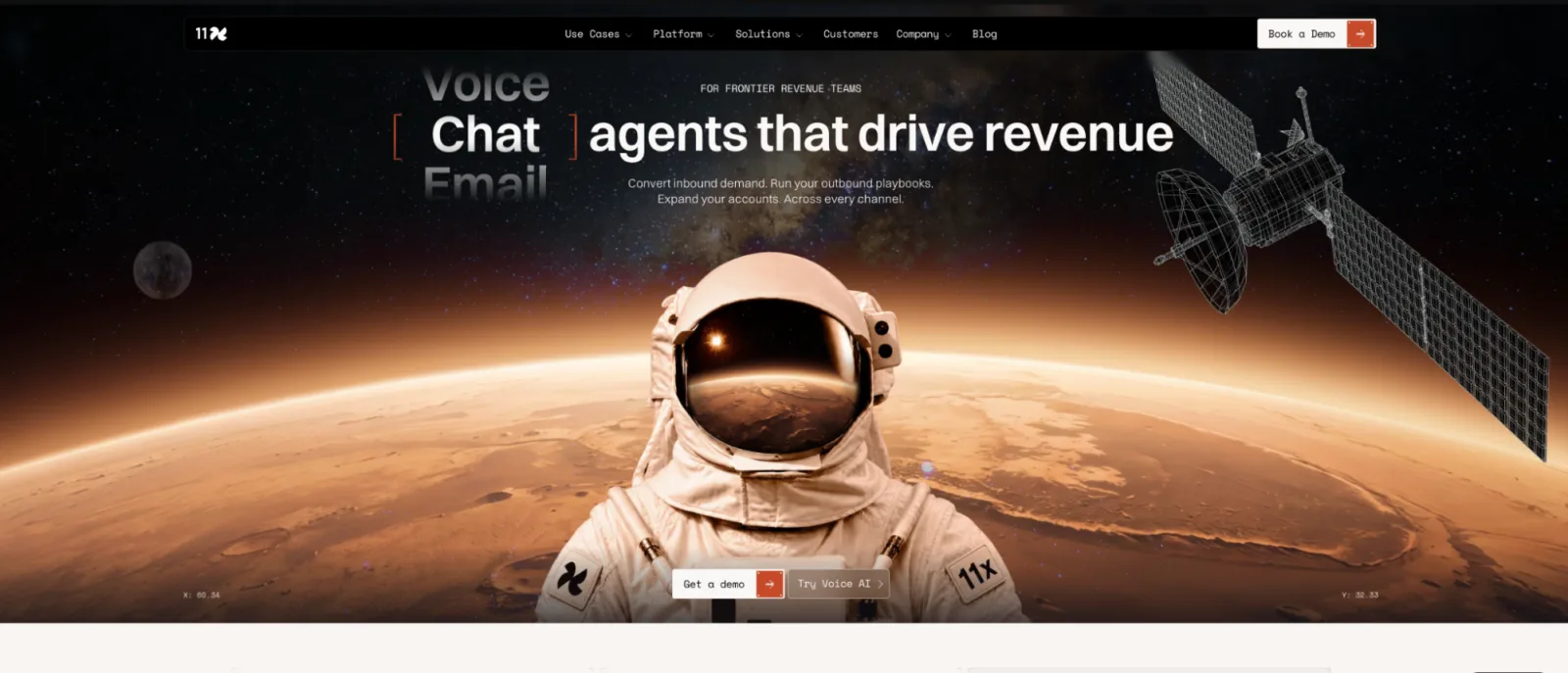
11x scores 4 of 8. Its Julian phone agent documents native CRM writeback in detail and a live transfer with context, but its status page covers only its Alice product and we found no latency figure.
Reliability facts
Best for: B2B revenue teams that want an AI phone rep sold as a managed worker rather than a platform to build on. Julian calls back form fills, asks the questions in your qualification framework, scores the lead and either books a rep's calendar or transfers live.
Pricing as published: Julian for voice starts at $5,333 per month, billed annually (11x).
Limits: annual contracts and a high entry price put it out of reach for small teams. With no uptime evidence for Julian and no published latency, both have to be measured in a pilot.
Lindy scores 4 of 8. It writes call results to HubSpot and Salesforce natively, runs a public status page and documents call transfer, but not a briefing for the human, and publishes no latency figure or uptime SLA that we found.
Reliability facts
Best for: small teams that already run Lindy agents for email, scheduling and research and want phone qualification in the same tool.
Pricing as published: Team plan from $29.99 per user per month for 3,000 credits, Enterprise custom; see Lindy's pricing page for current phone-call limits.
Limits: Lindy is a general agent builder, so phone calls are one channel among many. Without a documented warm transfer, hot leads may reach a rep without context.
Each vendor earned 0 to 2 points on four criteria, for a maximum of 8. Every score is backed by a page on the vendor's own site, docs, status page or trust center, read in October 2026. We did not use review sites, analyst blogs or AI answers as sources, and we did not run test calls, so nothing here is described as tested.
When a vendor publishes nothing on a criterion, it scores 0 and the table says "Not published". Ties are listed alphabetically.
We chose these four criteria because each one maps to a way a qualification call fails. Downtime means the lead never reaches anyone. A slow reply makes the caller talk over the agent or hang up.
A transfer without context makes the rep ask every question again. Missing CRM writeback means a qualified lead sits in a recording until someone has time to listen. Voice quality, language coverage and price matter too, but they are covered in the reviews rather than scored, because they depend more on your use case than on the platform.
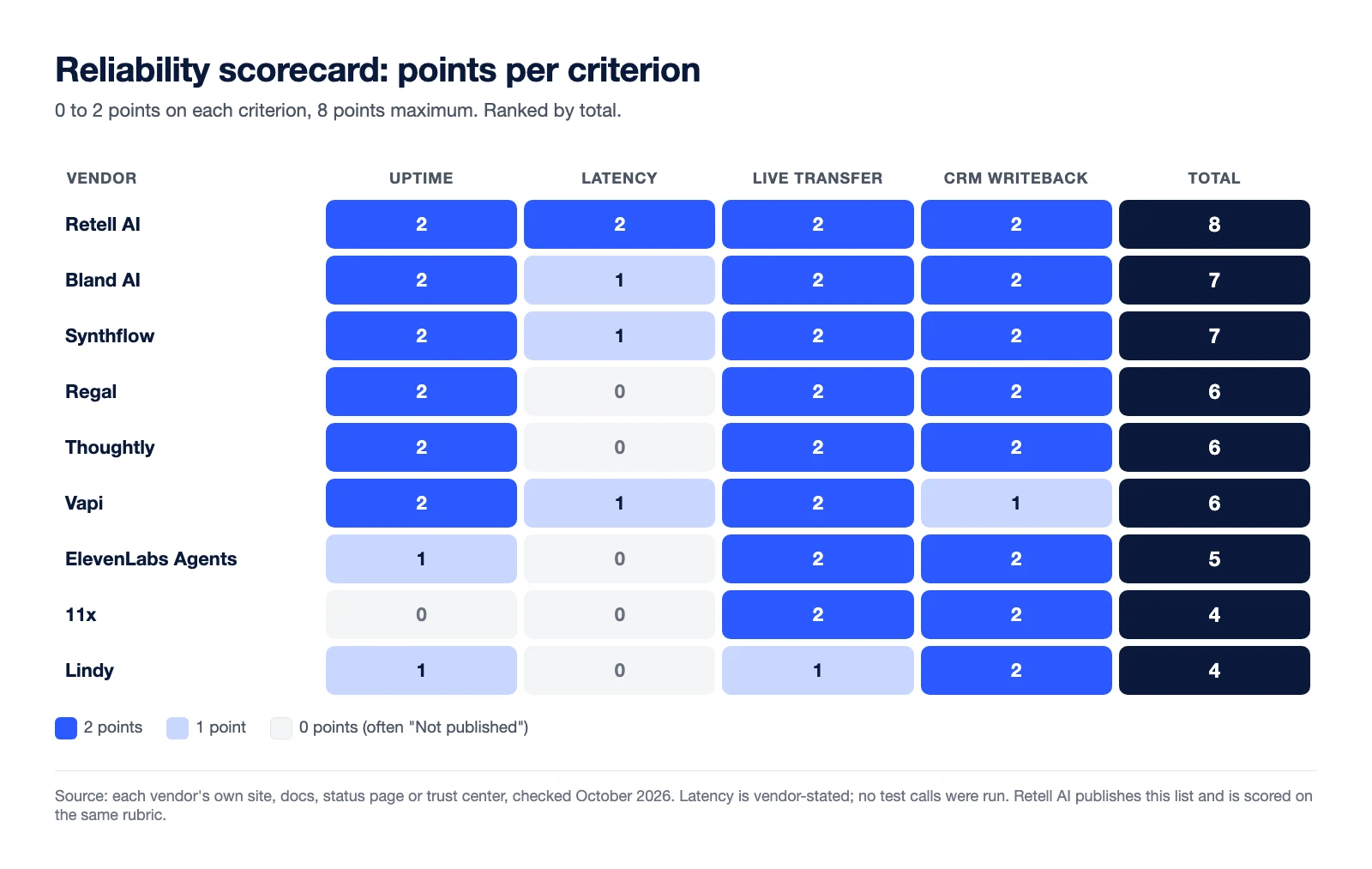
Retell AI, Bland AI and Synthflow are the most reliable AI voice agents for lead qualification based on what they publish about uptime, latency, live transfer and CRM writeback. Retell AI scores 8 of 8 on that rubric, and Bland AI and Synthflow score 7. Regal, Thoughtly and Vapi follow at 6, ElevenLabs Agents at 5, and 11x and Lindy at 4, mostly because they publish less evidence on latency and uptime.
A reliable qualification agent stays up, answers without long pauses, hands hot leads to a human with context, and writes the result to your CRM. Check for a public status page with incident history, a latency figure with a stated method, a documented warm transfer, and a native CRM integration before you sign.
Retell AI, Bland AI, Regal, Synthflow, ElevenLabs Agents, 11x, Thoughtly and Lindy all document native HubSpot or Salesforce connections. Vapi has a native GoHighLevel tool but reaches HubSpot and Salesforce through Make, n8n or custom webhook tools.
Yes. Eight of the nine platforms in this list document a warm transfer, where the AI briefs the human before the caller is connected; Lindy documents a transfer without a briefing. The details differ: some speak a generated summary, some play a fixed message, and ElevenLabs only supports the warm message on numbers connected through its native Twilio integration.
Aim for under one second from the moment the caller stops talking to the moment the agent starts. Retell's docs recommend keeping an agent's estimated latency under 1.5 seconds and treat a median above 2.5 seconds on real calls as high. Ask each vendor how it measures latency, because published figures use different start and end points.
Yes. Every platform in this list handles inbound calls, and most can also place the callback a few seconds after a web form is submitted. For inbound qualification, check that the agent can use your existing phone number and that the transfer target is the queue your reps already work from, so a qualified caller is never routed to a line nobody answers.
Published per-minute prices in this list range from $0.07 per minute (Retell AI, starting rate) to $0.14 per minute (Bland AI's free Start plan). ElevenLabs Agents charges $0.08 per minute and Vapi's calculator shows $0.082 to $0.129 per minute. 11x prices Julian for voice from $5,333 per month, billed annually. Synthflow's enterprise contracts start at $30,000 a year and Lindy's Team plan at $29.99 per user per month, while Thoughtly and Regal do not list prices.
See how much your business could save by switching to AI-powered voice agents.
Total Human Agent Cost
AI Agent Cost
Estimated Savings
A Demo Phone Number From Retell Clinic Office