With Retell, we’ve increased scheduling NPS by 38%, and filled underutilized provider capacity, allowing our team to focus on meaningful patient care instead of phone tag.






Need each caller on the right path from the first question. The agent asks whether the repair goes through insurance and whether a claim has been filed, then collects the insurer and claim number, or notes a self-pay repair. It explains how your shop handles estimates, such as walk-in hours or a booked time, from the instructions you write.

Need the car on your schedule before the caller phones another shop. The agent takes the name, number, year, make, model, and damage, then books an estimate or drop-off in a native Cal.com or Calendly calendar, or in your shop system through a custom function where its API allows. It reads back the day, time, and location so the customer knows it is done.
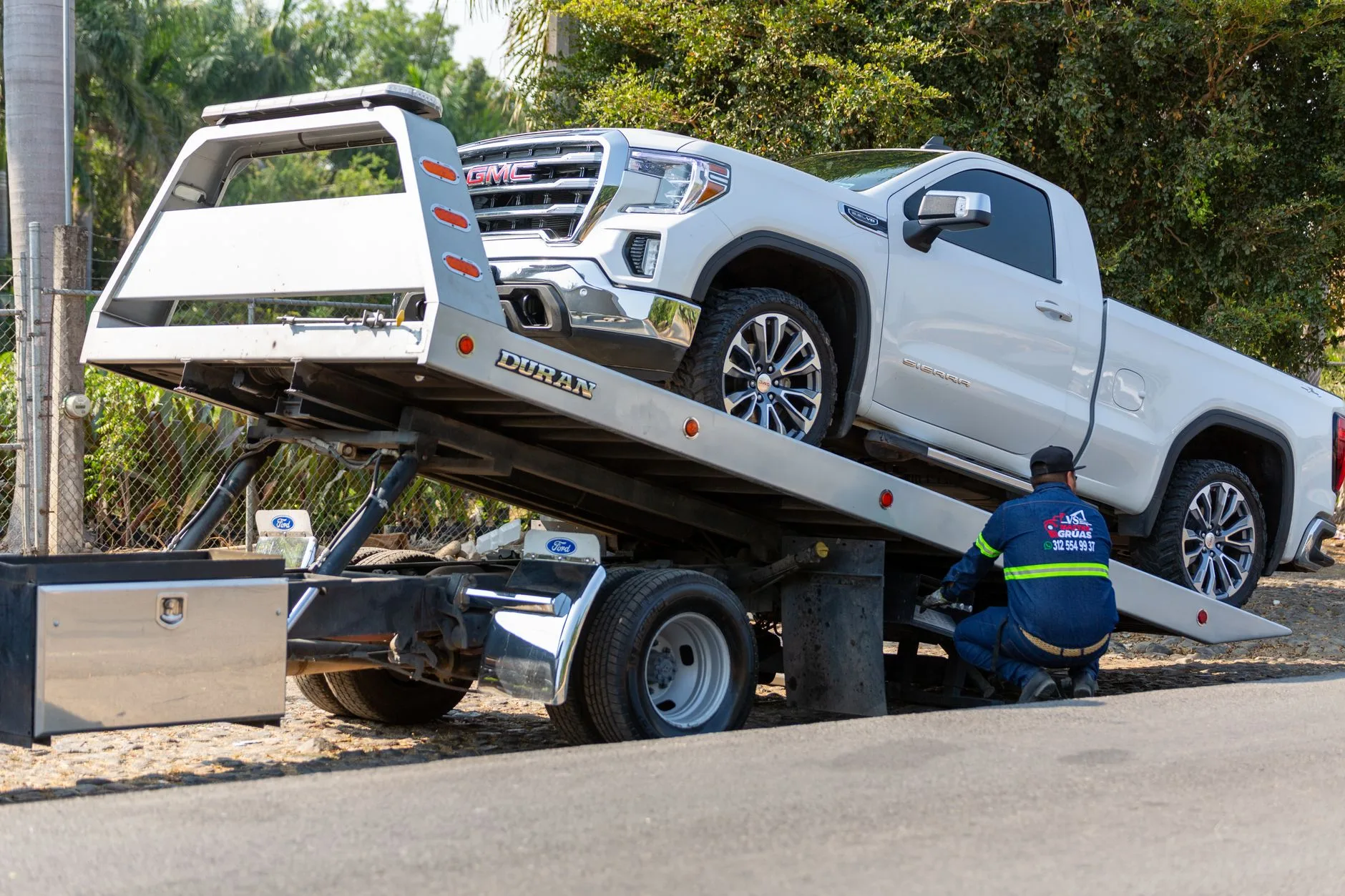
Need tow calls handled when the owner is not at the phone. The agent collects where the vehicle is, the vehicle type, whether it can be driven, and where it should go, then texts the details to your on-call number and starts a warm transfer with a private briefing. It tells anyone in danger to call 911 first. Tow operators use a towing answering service.

Need status calls off the front counter. If your shop system or production board has an API, a custom function looks up the repair by the caller's phone number, and the agent reads back the stage, such as waiting on parts, body work, paint, or reassembly. When the board can't answer, it takes a message and texts it to the shop. Mechanical repair shops use auto repair booking.
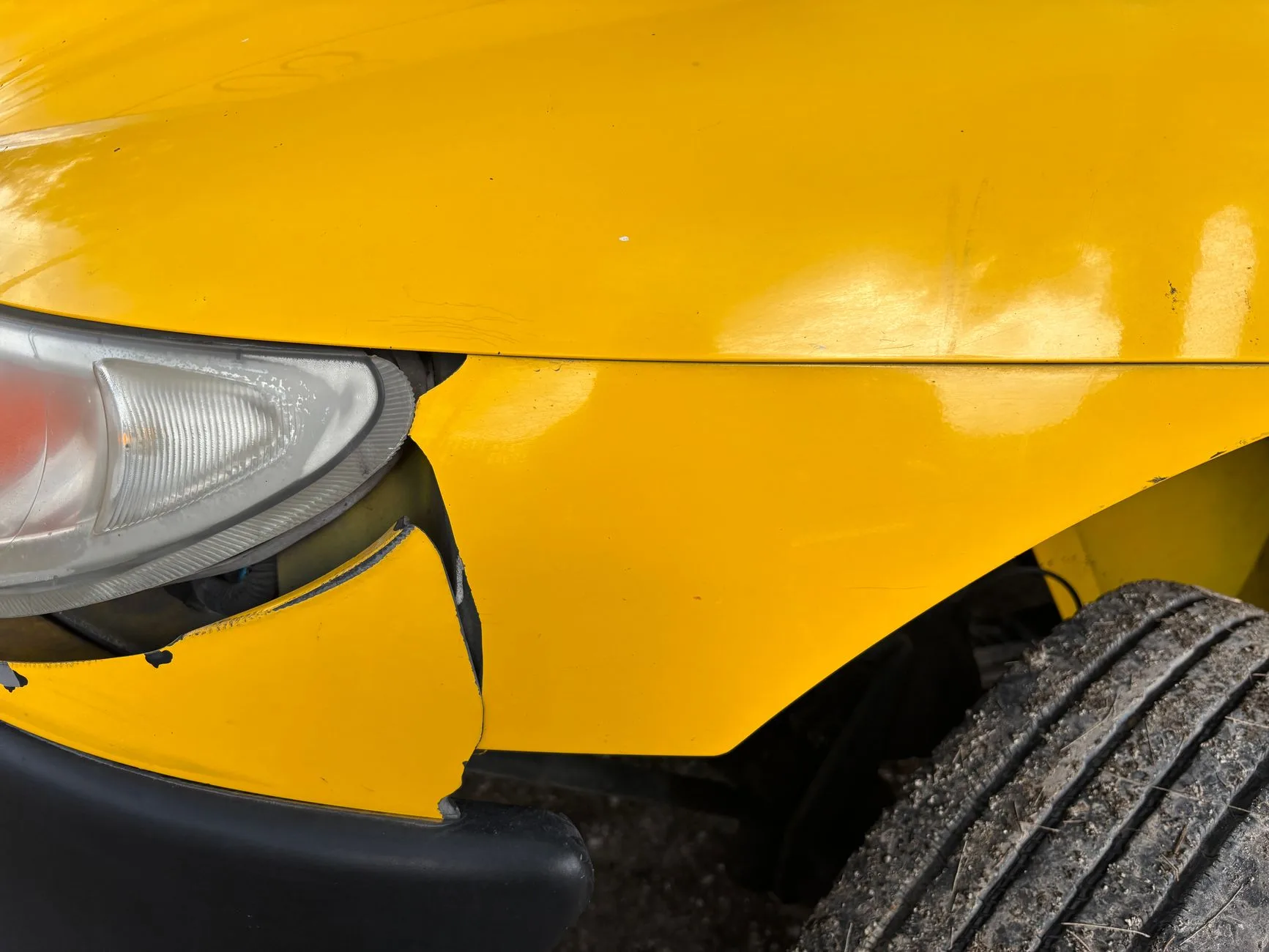
Need adjusters and hard questions to reach someone who can answer. The agent tells customers apart from insurance company callers and transfers adjusters to the estimator or appraiser you name, by number or extension. First-time accident customers with claim or coverage questions go to your team too, because the agent explains your process but doesn't advise on coverage.
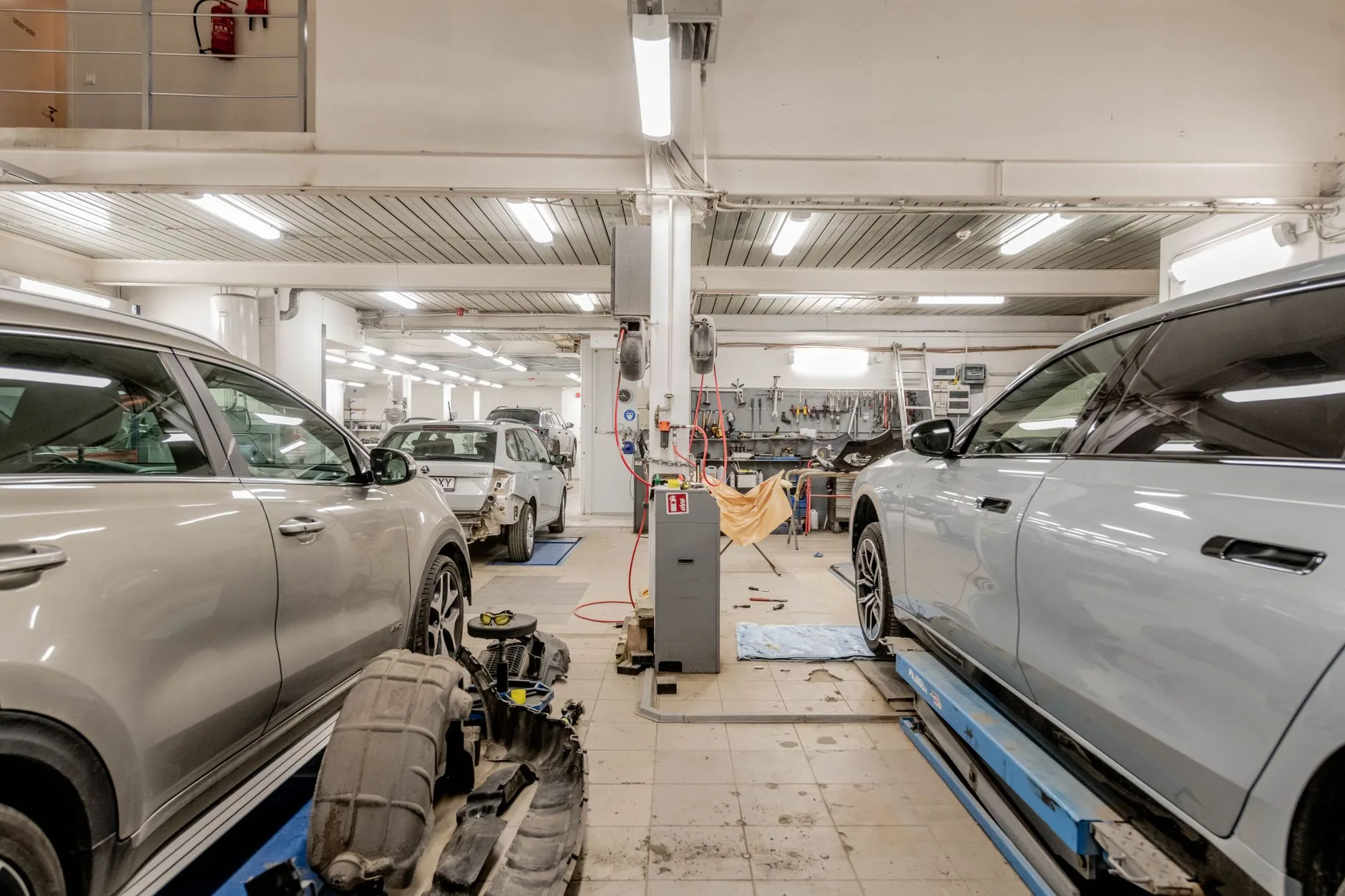
Need one phone number to serve several locations. The agent asks which location the customer wants, uses that location's hours and calendar, and transfers to its front office or estimator. Forward the calls nobody picks up from your phone system, and if a transfer goes unanswered, the agent takes a message for a callback instead of leaving the customer on hold.
















$0 to start.
For companies with large volumes, data or deployment requirements, or support needs.
Shop management and estimating systems, such as CCC ONE, have no prebuilt connector. Where your vendor offers API access, a custom function reads or books through it during the call; ask your vendor what it allows. Production boards such as ClickUp connect the same way. Cal.com and Calendly are native calendar integrations, and webhooks can send every call's details to your team after the call.
It collects the insurer, the claim number, and whether a claim has been filed, and explains how your shop works with insurance, from the instructions you write. It doesn't advise on coverage. Detailed claim questions go to your estimator or appraiser by warm transfer, with the details already collected.
The agent collects the vehicle's location, type, condition, and destination, texts the details to your on-call number, and transfers the caller with a private briefing. If nobody answers, it takes a message and tells the caller when to expect a callback. It tells anyone in danger to call 911 first.
Yes. The agent asks which location the customer wants and uses that location's hours, calendar, and transfer number. If your locations have separate numbers, the inbound webhook can pick the agent or pass location details per call. Test both setups on simulated calls and keep the one that sounds right.
Retell voice agents are priced per minute of conversation, from $0.07 per minute, depending on the language model, voice, and telephony you choose. Pay-as-you-go needs no contract, and Enterprise plans have custom pricing for high volume or custom deployment needs. See pricing for your mix.
Collision calls start after an accident, so the agent sorts insurance from self-pay, collects claim details, passes tow requests, and routes adjusters. Auto repair booking covers mechanical work such as diagnostics, maintenance, and tires. Shops that do both can run both flows on one number.