Top 7 Voice AI Agents Fully Compliant with Global AI Regulations (2026 Guide)
12
MIN READ
September 8, 2026
Voice AI adoption is accelerating across enterprise systems, but regulatory scrutiny is catching up just as fast.
Unlike text-based AI, voice systems process biometric signals, personally identifiable information, and real-time conversational data. This makes compliance significantly more complex for any conversational AI platform. It is not just about securing data at rest or in transit; it is about controlling how conversations are captured, stored, processed, and audited.
For teams operating in healthcare, fintech, insurance, or global markets, this creates a hard constraint. If a platform cannot meet standards like GDPR, HIPAA, or SOC 2, it cannot be deployed, regardless of how strong its capabilities are.
What I see repeatedly is that many voice AI platforms claim compliance readiness, but fall short when evaluated on:
This guide focuses on that gap.
Instead of comparing voice quality or features, I've evaluated platforms based on compliance coverage, security architecture, and real-world deployability in regulated environments.
I approached this as a compliance and deployment evaluation, not a feature comparison. Every platform was assessed based on whether it can be safely deployed in environments where regulatory exposure is a constraint, not an afterthought.
Regulatory coverage and enforceability: I evaluated whether platforms explicitly support frameworks like GDPR, HIPAA, and SOC 2, and more importantly, whether that support is enforceable through mechanisms like BAAs, audit controls, and data governance policies. Surface-level "compliance-ready" claims were not considered sufficient.
Data handling architecture: Voice AI introduces additional risk because it involves biometric and conversational data. I looked at how each platform handles data across its lifecycle, including whether audio is stored or transient, how retention policies are managed, and whether teams can control where and how data is processed.
Auditability and control: In regulated environments, it is not enough for a system to be secure. It must also be auditable. I evaluated whether platforms provide logging, traceability, and visibility into how decisions are made during conversations, especially for compliance and legal review.
Enterprise deployment readiness: I assessed whether these platforms are already used in regulated industries such as healthcare, fintech, and insurance. This includes looking at deployment patterns, reliability under real workloads, and whether the platform can operate within enterprise security constraints.
Voice-specific risk handling: Unlike text systems, voice AI processes real-time conversations and biometric signals. I evaluated whether platforms are designed with this in mind, particularly in how they handle real-time data processing, consent, and exposure risk during live interactions.
I combined platform documentation, compliance disclosures, and observed enterprise usage patterns to ensure that this list reflects tools that can operate under real regulatory pressure.
The goal is simple:
Identify voice AI platforms that can be deployed without introducing compliance risk, not just those that claim to support it.
This table is structured for decision-making in regulated environments. The focus is not just on capability, but on whether the platform can be deployed without introducing compliance risk.
| Platform | Best For | Compliance Coverage | Key Strength | G2 Rating | Pricing (Actual) |
|---|---|---|---|---|---|
| Retell AI | Real-time voice AI agents | HIPAA, SOC2, GDPR | Low-latency conversational AI for production calls | 4.6 | ~$0.07–$0.12/min |
| ElevenLabs | Voice synthesis + agents | HIPAA-ready (enterprise) | High-quality voice generation | 4.7 | ~$5–$330+/month |
| Cognigy | Enterprise CX automation | GDPR, SOC2 | Deep orchestration and enterprise tooling | 4.6 | ~$60K+/year |
| Kore.ai | Enterprise automation workflows | GDPR, SOC2 | Strong control over workflows and integrations | 4.5 | ~$50K+/year |
| Voiceflow | AI agent builder | GDPR, HIPAA-aligned | Fast deployment with structured builder UX | 4.5 | ~$50–$150+/month |
| Dialpad AI | Business communication AI | HIPAA compliant | Unified communication + AI layer | 4.4 | ~$15–$35/user/month |
| Sensory | On-device voice AI | HIPAA (on-device) | Privacy-first architecture with local processing | 4.3 | Custom |
Note: Compliance is not binary. It depends on configuration, including data handling policies, infrastructure choices, and legal agreements such as BAAs.
Here's how each platform performs when evaluated against real compliance requirements, including data handling, auditability, and deployment readiness in regulated environments.
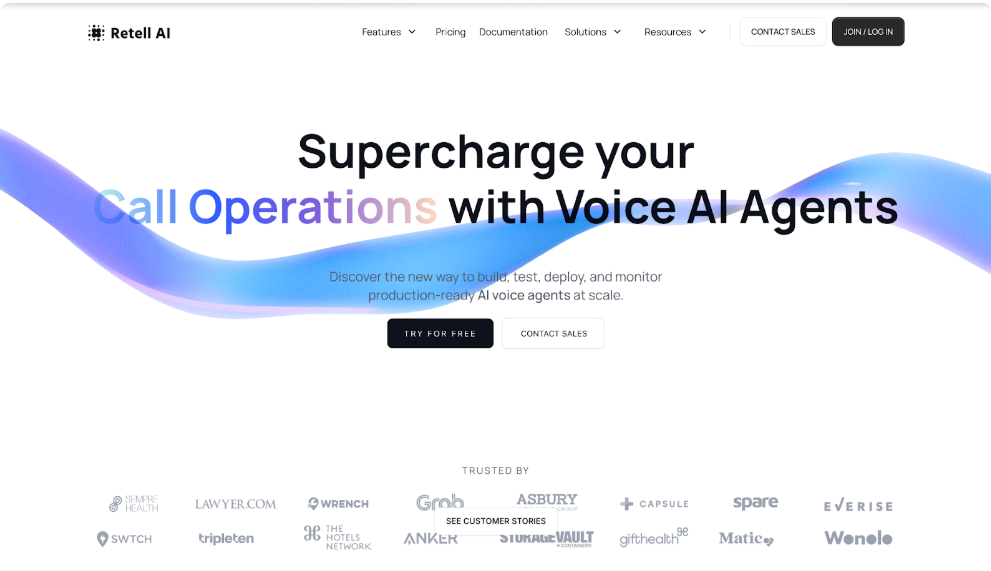
Retell AI is a voice AI agent platform built specifically for real-time phone conversations, with compliance and control designed into the core system rather than added as an afterthought. It supports frameworks like HIPAA, SOC 2, and GDPR, and is structured to handle sensitive conversational data in regulated environments. What differentiates it is not just compliance coverage, but how it manages live audio processing, latency, and auditability together, which are critical in production voice systems.
In regulated outbound and support workflows, Retell maintained stable performance while preserving conversation flow and compliance controls. It handled interruptions and real-time processing without compromising auditability.
4.6/5 — strong feedback on reliability, performance, and compliance readiness
~$0.07–$0.12/min. Costs scale with call volume and duration, with predictable behavior when optimized for production workloads.
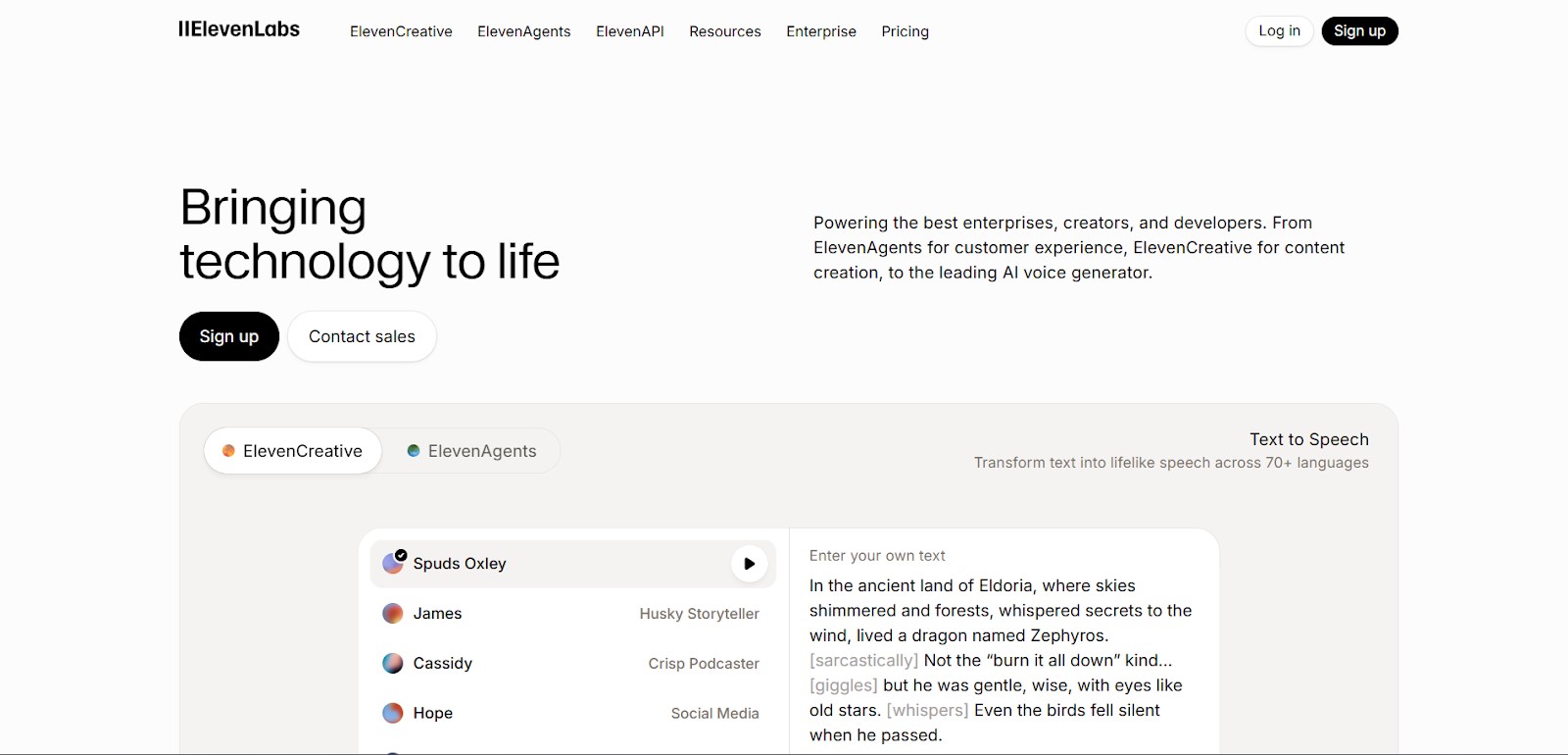
ElevenLabs is primarily known for high-quality voice synthesis, but it has expanded into conversational voice systems with enterprise-grade compliance configurations. It offers HIPAA-ready setups for enterprise customers, making it viable in regulated environments when properly configured. However, it functions more as a voice layer rather than a complete end-to-end agent platform.
Performs exceptionally well in voice generation quality. However, in end-to-end workflows, it depends heavily on external orchestration layers to meet compliance and operational requirements.
~4.7/5 — highly rated for voice quality, with feedback noting limitations in broader system capabilities
~$5–$330+/month depending on tier. Enterprise compliance setups involve custom pricing and additional infrastructure considerations.
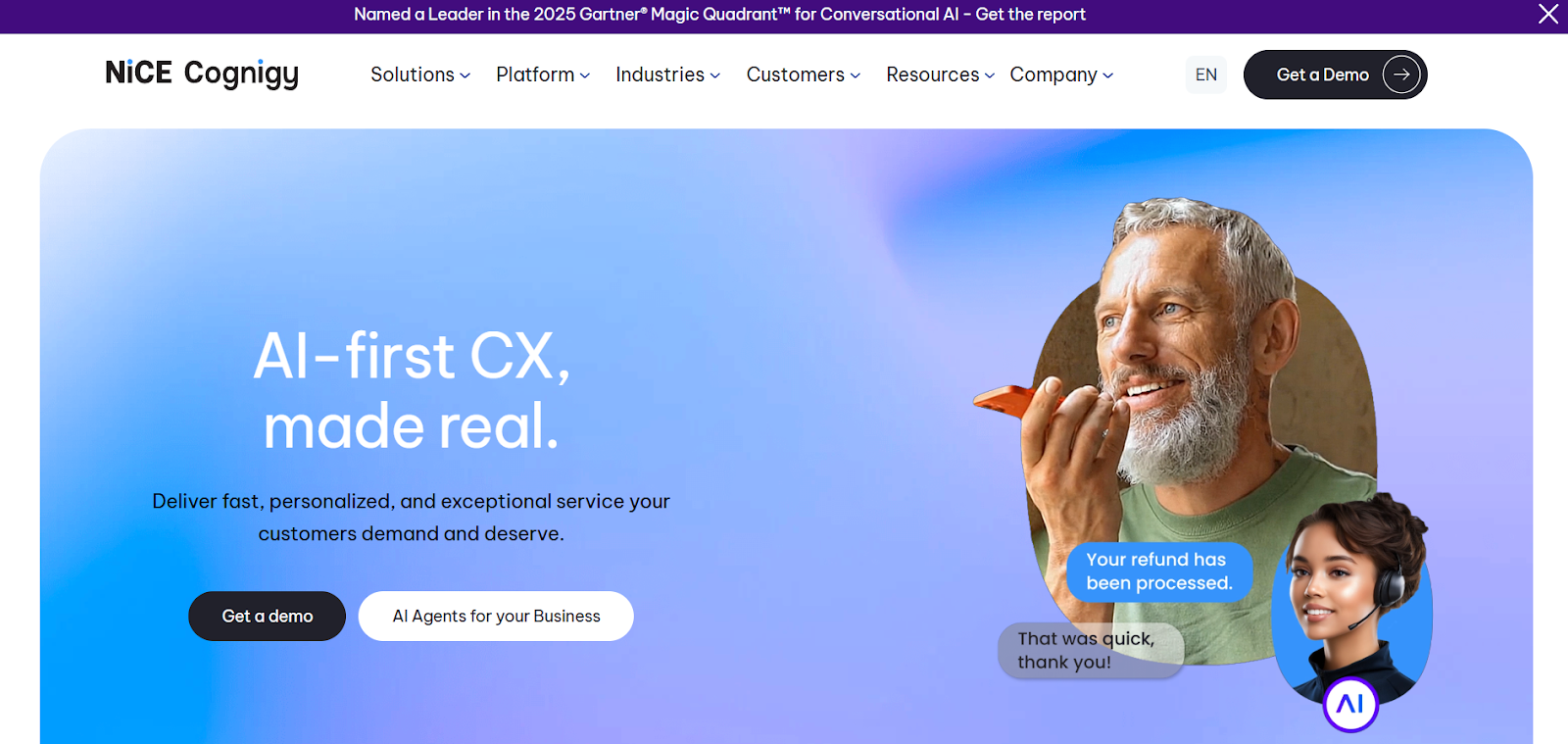
Cognigy is an enterprise-grade conversational AI platform designed for customer experience automation, with strong compliance support for GDPR and SOC 2. It offers deep orchestration capabilities, allowing teams to build complex workflows across voice and chat channels. Cognigy is positioned as a full-stack enterprise solution, particularly suited for large-scale contact center environments.
In structured enterprise workflows, Cognigy performs reliably with strong control over execution and integrations. However, agility is limited, and changes require more effort compared to lighter frameworks.
4.6/5 — strong enterprise feedback on reliability and orchestration, with concerns around complexity and cost
~$60K+/year. Pricing is contract-based and includes enterprise support, infrastructure, and compliance features.
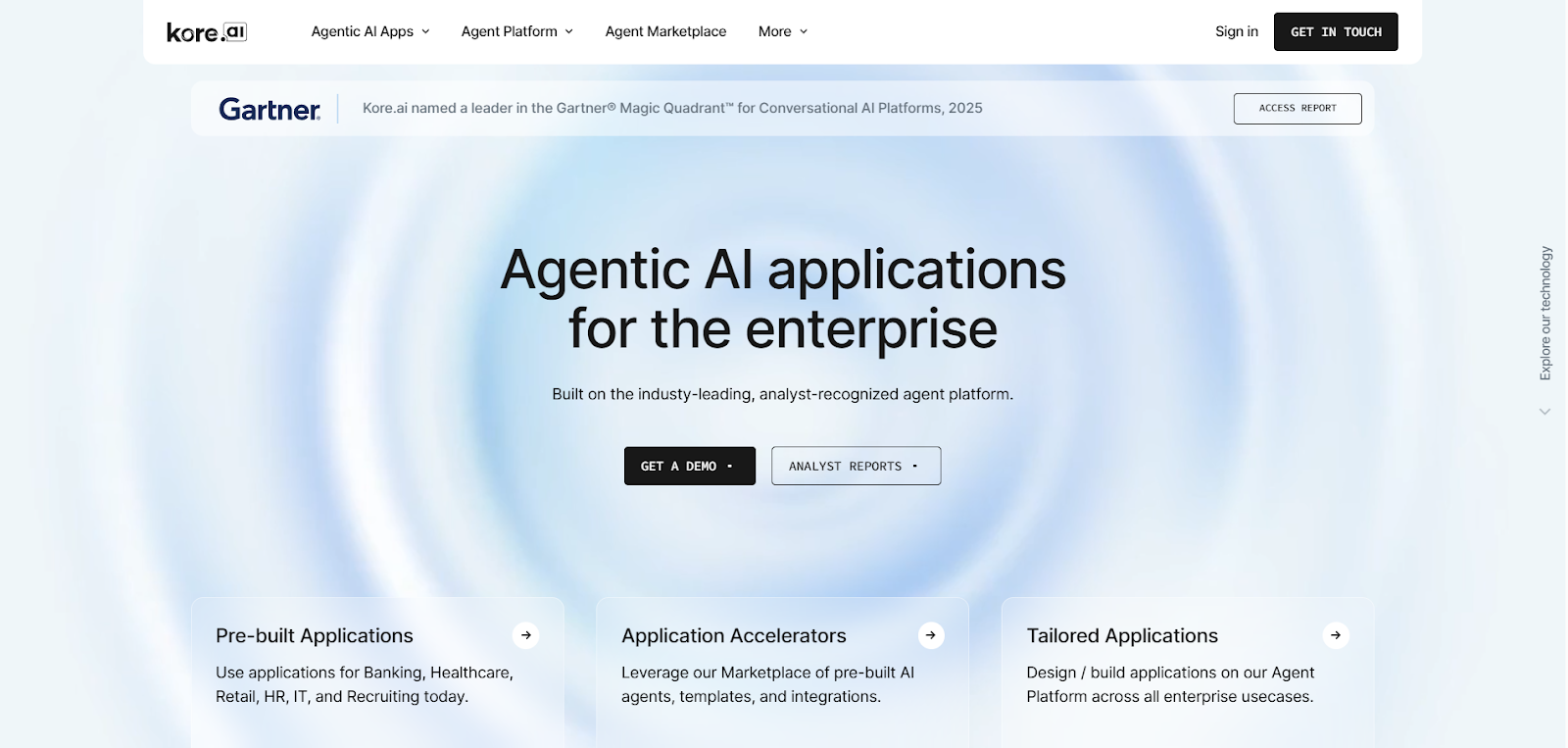
Kore.ai is an enterprise automation platform focused on AI-driven workflows and conversational systems, with strong compliance support for GDPR and SOC 2. It is widely used in regulated industries where control, governance, and integration depth are critical. Kore.ai emphasizes workflow orchestration and governance, making it suitable for structured automation across business functions.
Performs well in structured workflows where processes are predefined. However, flexibility becomes limited when handling more dynamic or conversational use cases.
4.5/5 — strong feedback on control and enterprise capabilities, with noted complexity in setup
~$50K+/year. Pricing is enterprise-focused, with costs increasing based on scale, integrations, and compliance requirements.
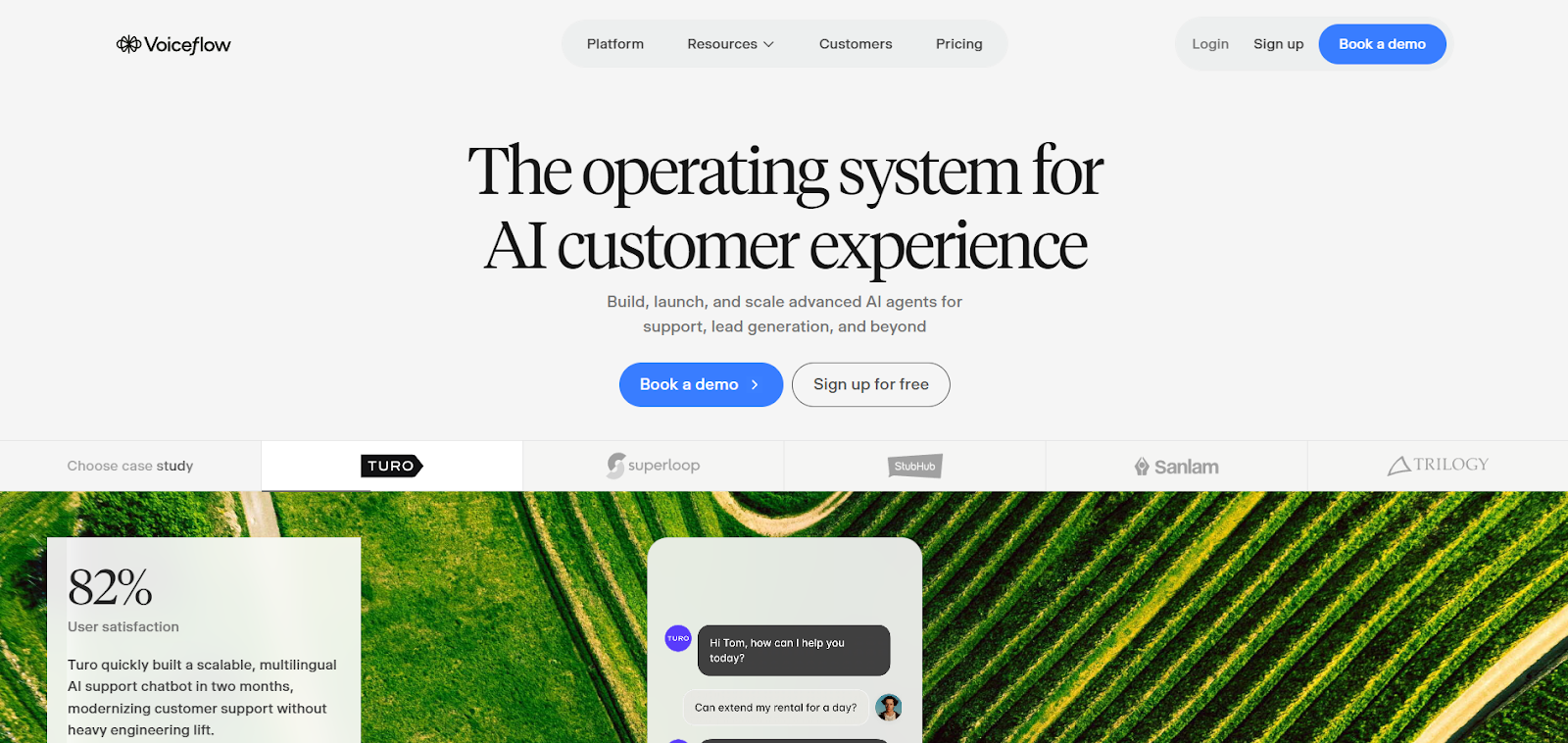
Voiceflow is an AI agent builder designed to simplify the creation of conversational systems across voice and chat, with growing support for compliance-aligned deployments such as GDPR and HIPAA-ready configurations. It focuses on structured workflow design through a visual builder, making it accessible for product and non-engineering teams. While it is not inherently a compliance-first platform, it can be adapted for regulated environments when paired with the right infrastructure and data handling practices.
Voiceflow performs well in structured conversational flows and rapid prototyping. However, when workflows involve sensitive data handling or require strict auditability, additional systems and controls are needed to meet compliance standards.
4.5/5 — strong feedback on usability and speed, with limitations noted around scalability and compliance depth
~$50–$150+/month. Costs scale with usage and integrations, but additional infrastructure may be required to meet compliance requirements.
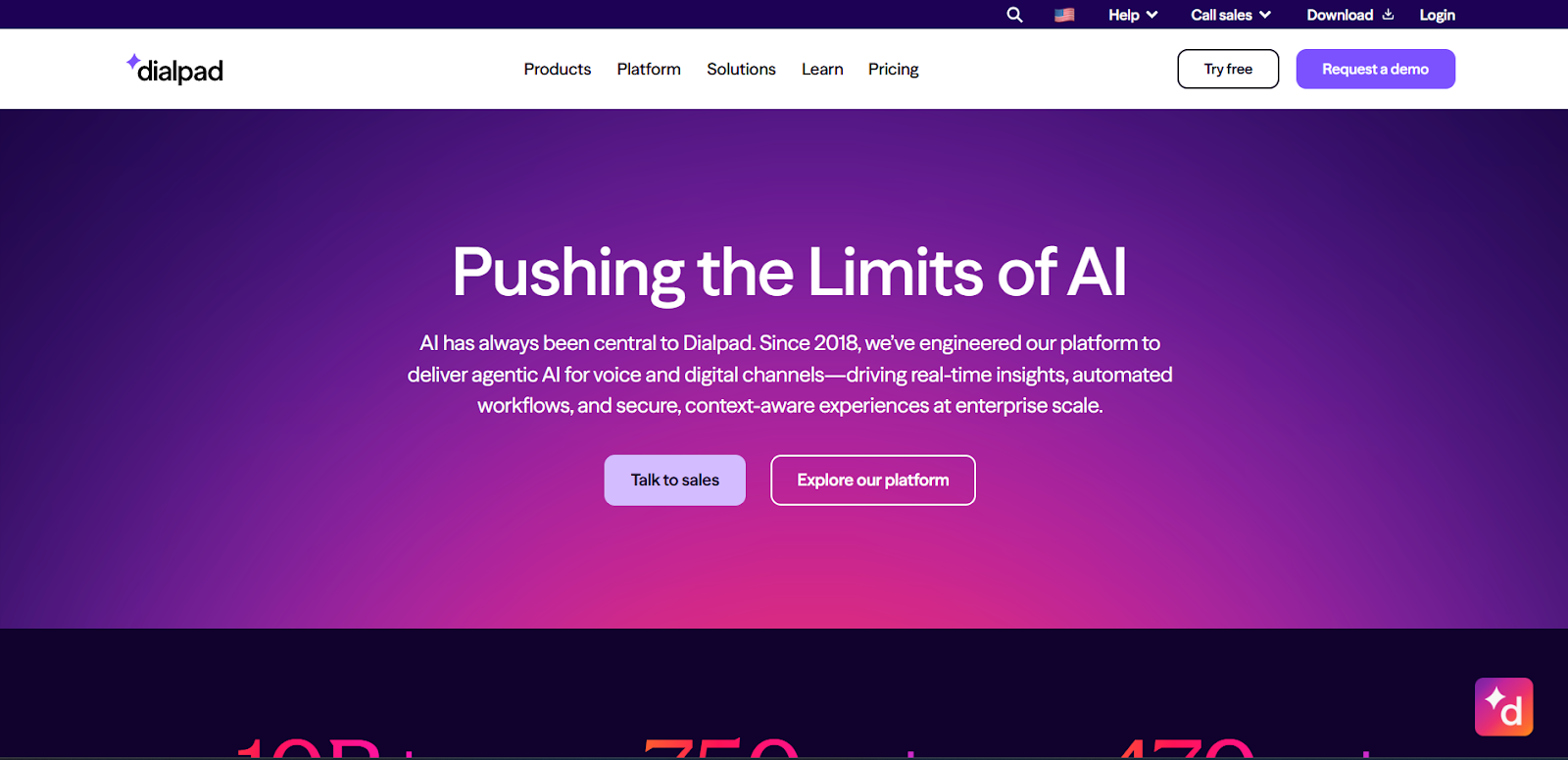
Dialpad AI is a business communication platform with integrated AI capabilities, including voice intelligence, transcription, and automation. It offers HIPAA-compliant configurations, making it suitable for regulated industries such as healthcare. Unlike dedicated AI agent platforms, Dialpad is positioned as a unified communication system with AI augmentation, rather than a fully customizable agent builder.
Dialpad performs reliably in communication-heavy environments, particularly for transcription and call analytics. However, it is not designed for building complex, autonomous voice agents or handling dynamic conversational workflows.
4.4/5 — strong feedback on ease of use and communication features, with limitations noted in AI flexibility
~$15–$35 per user per month. Pricing scales with users rather than usage, but lacks flexibility for optimizing AI-specific costs.
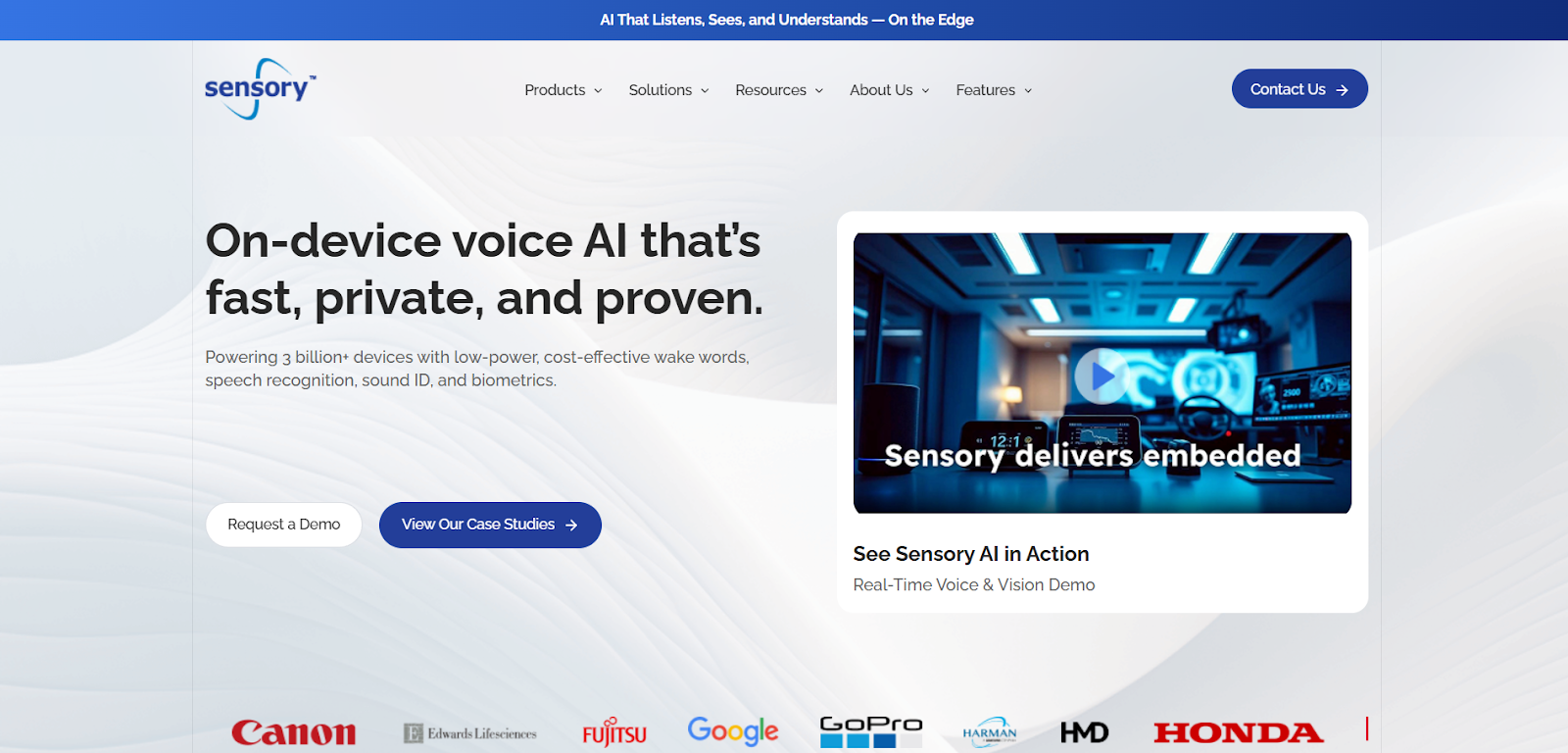
Sensory is focused on on-device voice AI, prioritizing privacy and compliance by processing data locally rather than in the cloud. This architecture significantly reduces data exposure, making it particularly relevant for industries where data residency and privacy are critical. Sensory supports HIPAA-compliant use cases through its on-device approach, but it operates differently from cloud-based AI agent platforms.
Sensory performs well in privacy-sensitive use cases where local processing is required. However, its capabilities are more constrained compared to cloud-based platforms when it comes to scalability and complex orchestration.
4.3/5 — strong feedback on privacy and security, with limitations noted around scalability
Custom pricing based on deployment model and scale. Costs depend on hardware, licensing, and implementation requirements rather than usage alone.
Choosing a compliant voice AI platform is not a feature decision. It is a risk and architecture decision, where the wrong choice can introduce regulatory exposure even if the system performs well technically.
Start by identifying which regulations apply to your use case. Healthcare workflows require HIPAA compliance, European users bring GDPR obligations, and most enterprise environments require SOC 2 alignment. The platform must support these frameworks in a way that is enforceable, not just claimed.
Voice AI processes highly sensitive data, including biometric signals and real-time conversations. You need clarity on whether data is stored or transient, how long it is retained, and where it is processed. Platforms that do not give control over these layers create compliance risk.
Compliance is only meaningful if it is backed by enforceable controls. Look for business associate agreements for HIPAA, SOC 2 certification, and detailed audit logs. Platforms that cannot provide these typically rely on external workarounds rather than built-in compliance.
Cloud-based systems introduce different risks compared to on-device processing. On-device architectures reduce exposure but limit flexibility, while cloud platforms need stronger controls around storage, access, and processing. The right choice depends on your risk tolerance and use case.
In regulated environments, every interaction must be traceable. You should be able to log conversations, audit decisions, and review system behavior when needed. Lack of auditability is one of the most common reasons deployments fail compliance reviews.
Compliance increases cost beyond standard usage. Enterprise plans, infrastructure constraints, and legal overhead all contribute. What looks cost-effective at the start can become expensive once compliance requirements are fully implemented.
After evaluating these platforms through a compliance-first lens, the difference comes down to how deeply compliance is embedded into the system.
Some platforms support compliance at a surface level but rely on configuration and external controls. Others are built for enterprise workflows but introduce complexity and cost that slow down deployment.
Retell AI stands out because it balances compliance coverage, real-time performance, and operational control in a way that is practical for production use. It supports HIPAA, SOC 2, and GDPR while maintaining low-latency conversational performance and giving teams control over how data is handled and processed.
This combination is critical in regulated voice environments, where both compliance and conversation quality directly impact outcomes. That is why it emerges as the most reliable choice in this evaluation.
In regulated environments, voice AI is not evaluated on capability alone. It is evaluated on whether it can operate without creating legal or data risk.
Most platforms in this category either prioritize voice quality, workflow orchestration, or deployment speed. Very few address compliance as a core system requirement. This is where the gap becomes visible in production.
Retell AI ranks highest in this evaluation because it is designed around the constraints that matter most in regulated voice systems. It handles real-time conversations without compromising latency, supports enforceable compliance frameworks, and provides the level of control required to manage sensitive data responsibly.
For teams operating in healthcare, fintech, insurance, or any environment where compliance is non-negotiable, this balance makes it the most dependable option among the platforms evaluated here.
A voice AI agent is compliant when it meets standards like GDPR, HIPAA, and SOC 2, and includes secure data handling, auditability, and control over how voice data is processed and stored.
No. GDPR compliance depends on how data is collected, stored, and processed, as well as whether users have control over their data. Many platforms require additional configuration to meet these requirements.
Data handling is the most critical factor, especially how voice data, including biometric and personal information, is processed, stored, and retained.
Yes, but only with platforms that support HIPAA compliance and provide proper agreements such as BAAs, along with secure data handling practices.
See how much your business could save by switching to AI-powered voice agents.
Total Human Agent Cost
AI Agent Cost
Estimated Savings
A Demo Phone Number From Retell Clinic Office